


News center
If you have ever stood on a factory floor watching a premium paint job fail, you already know the frustration. A batch of components comes out of the coating line looking perfectly smooth, only to reveal a mottled, uneven texture once the final topcoat is applied. The culprit is rarely the paint itself; more often, it is hiding right beneath the surface, in the microscopic crystallization of the zinc layer. For procurement professionals and quality engineers, this hidden variable can turn a standard manufacturing run into a costly nightmare of rework and scrapped materials.
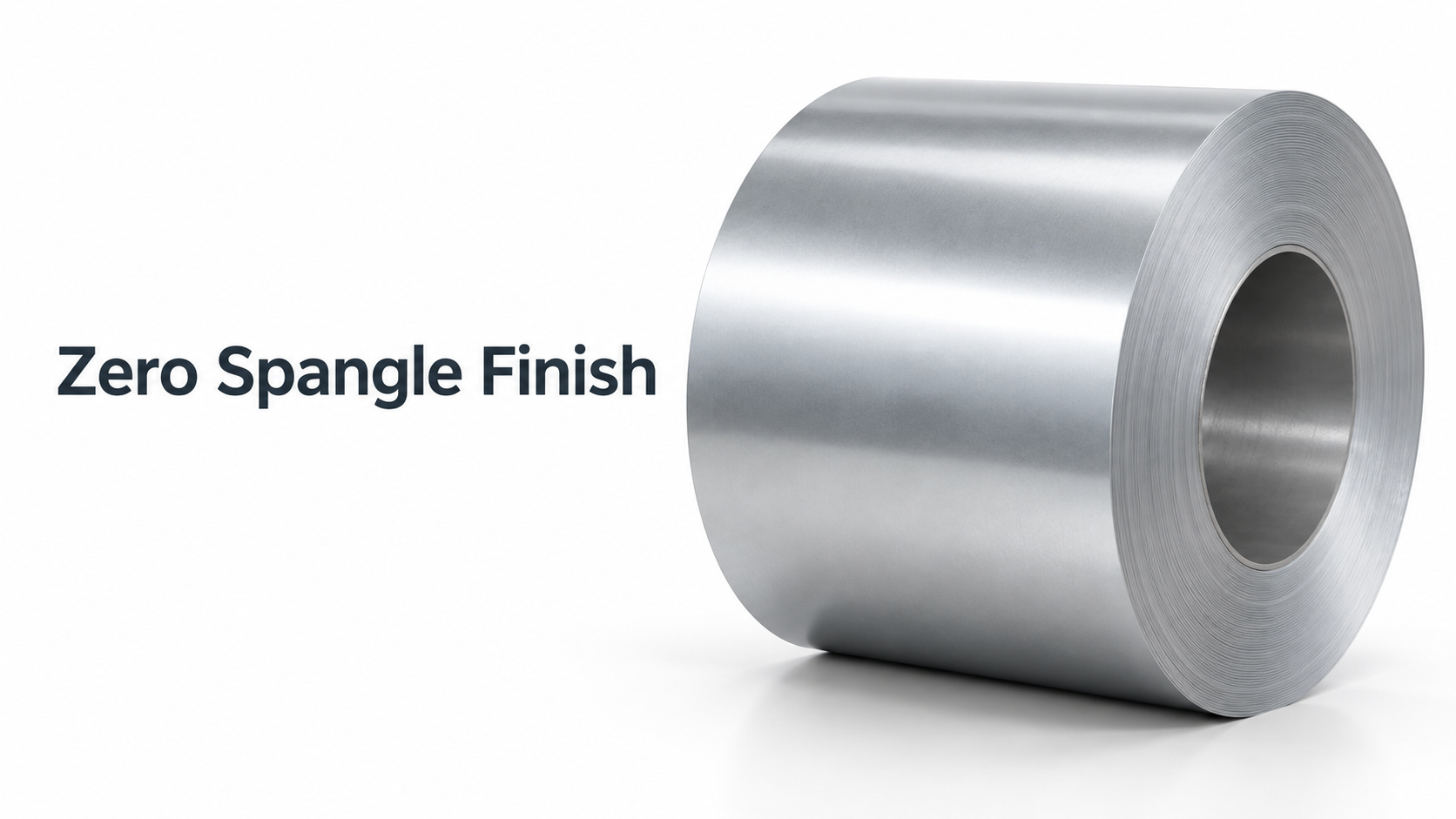
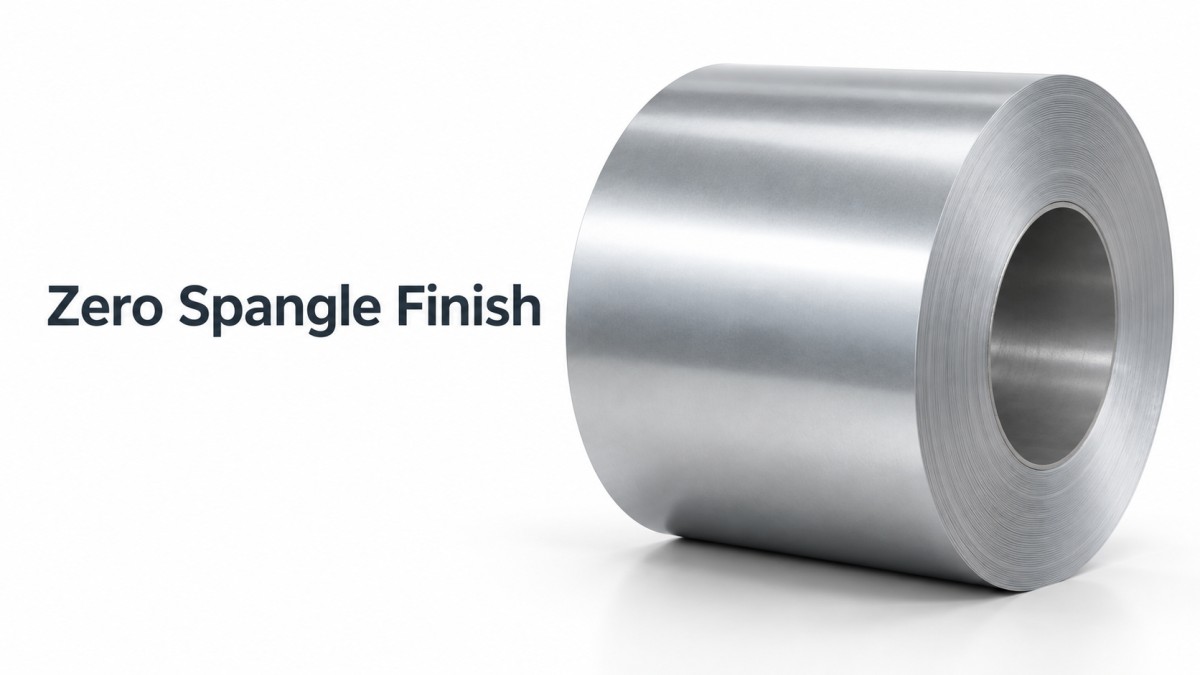
This is exactly why the demand for a flawless, uniform substrate has skyrocketed across construction, machinery manufacturing, and new energy sectors. But how does a zero spangle galvanized steel coil actually prevent those visible, snowflake-like zinc patterns from forming in the first place? The answer lies not in a single magic trick, but in a tightly orchestrated sequence of metallurgical chemistry, thermal dynamics, and mechanical precision.
The Chemistry of Invisibility: Rewriting the Zinc Bath Formula
To understand how we eliminate the spangle, we first need to understand what causes it. In traditional hot-dip galvanizing, the molten zinc bath contains small amounts of lead and antimony. These elements lower the surface tension of the liquid zinc, allowing large, distinct crystals to grow as the metal cools. This creates the classic, highly reflective "spangle" pattern that many associate with galvanized steel.
Achieving a zero spangle finish requires a fundamental shift in this chemistry. Modern mills achieve this by strictly controlling the zinc alloy composition, specifically by reducing lead and antimony levels to near-zero traces. Without these surface-tension-lowering elements, the zinc is forced to crystallize into microscopic, uniform grains rather than large, visible flakes. However, simply removing lead isn't enough; it changes the fluid dynamics of the bath, requiring precise adjustments to the bath temperature and the addition of trace elements like bismuth or tin to maintain coating adhesion and fluidity. This delicate chemical balancing act is the first line of defense against visible spangles.
Thermal Shock: The Race Against Crystallization
Even with a perfectly tuned zinc bath, the physical cooling process will dictate the final surface structure. If the steel cools too slowly, even micro-crystals have time to grow and merge, eventually becoming visible to the naked eye. Therefore, thermal control is just as critical as chemical control.
As the steel strip exits the zinc pot, it passes through a high-pressure air knife system that wipes off excess zinc, ensuring a precise and uniform coating thickness. Immediately following this, the strip enters a rapid cooling zone. By aggressively dropping the temperature of the steel using controlled air or water quenching systems, manufacturers effectively freeze the zinc layer in place. This rapid cooling rate suppresses the growth of zinc crystals, locking them in a micro-fine state before they can ever develop into a visible pattern. It is a race against time and thermodynamics, where speed equals smoothness.
The Mechanical Finish: Skin Passing and Temper Rolling
Chemistry and cooling get the steel 95% of the way there, but the final 5% is where the true aesthetic and functional perfection is achieved. Even with micro-crystallization, the surface can sometimes retain a slight matte roughness or minor texture variations. To guarantee a perfectly uniform appearance, the coil undergoes a mechanical process known as skin passing or temper rolling.
During this stage, the galvanized coil is passed through a set of precision rolls that apply a very light reduction—typically less than 1% to the thickness of the steel. This physical compression flattens the microscopic peaks and valleys of the zinc coating. More importantly, it imparts a specific, controlled surface roughness (often measured in micrometers) that is ideal for subsequent painting or powder coating. This mechanical finish not only eradicates any remaining visual hints of spangles but also creates the perfect mechanical "tooth" for paint adhesion, ensuring the final product looks immaculate and performs flawlessly.
Reframing the Cost: The Procurement Calculator
When reviewing quotes, procurement teams often notice that zero spangle variants carry a slight premium over regular or minimum spangle options. It is natural to question if this extra cost is justified, especially when the end product will be painted or coated anyway. However, evaluating this purely on the initial material price is a common trap.
The true value of a zero spangle galvanized steel coil is best understood through the lens of Total Cost of Ownership (TCO). Consider the downstream savings: a perfectly uniform surface drastically reduces paint consumption, as there are no deep zinc valleys to fill. It eliminates the risk of "picture framing" or mottling in the final finish, which directly reduces rejection rates and rework costs on the assembly line. Furthermore, the consistent surface roughness achieved through temper rolling improves formability during deep drawing or bending, reducing tool wear and minimizing scrap rates in the stamping press. When you factor in the reduced waste, lower paint usage, and higher first-pass yield, the initial price premium is quickly absorbed, often resulting in a net positive impact on the project's bottom line.
Beyond the Mill: Why Fabrication Capabilities Matter
A flawless coil can still be ruined by poor handling or inadequate downstream processing. As a buyer, your relationship with the supplier shouldn't end when the material leaves the mill. The way the steel is cut, bent, and handled directly impacts the integrity of that pristine zero spangle surface.
This is where partnering with a comprehensive, modern enterprise like Jiangsu Zhongersheng Metal Products Co., Ltd. shifts the advantage in your favor. Because they specialize in the R&D, production, and export of metal materials, their understanding of the substrate goes beyond just rolling it. Their standardized production workshops and professional processing equipment are designed to handle these premium surfaces with care. Whether your project requires precise cutting, complex bending, punching, or welding, their custom processing services ensure that the zero spangle finish is preserved throughout the fabrication lifecycle.
For industries like transportation and hardware processing, where exposed edges and formed joints are common, the quality of the initial galvanization combined with expert fabrication prevents premature corrosion at the cut edges. Jiangsu Zhongersheng’s ability to provide complete product specifications, stable quality, and bulk stock preparation means you aren't just buying a raw material; you are securing a reliable, end-to-end metal material solution. Their expertise in carbon steel, galvanized steel, and stainless steel ensures that you get the right material, processed to the exact tolerances your engineering team demands.
A Buyer’s Checklist for Evaluating Zero Spangle Suppliers
Not all "spangle-free" claims on a certificate of analysis translate to real-world performance. When vetting suppliers for your next procurement cycle, look beyond the basic spec sheet. Here are a few critical questions and checks to integrate into your evaluation process:
- Request Physical Samples for Forming: Don't just look at the flat sample. Ask for a sample that has been bent or drawn. A true zero spangle coating should not flake or powder off at the bend line. Poor adhesion disguised as a smooth surface will fail under stress.
- Inquire About the Skin Pass Parameters: Ask the supplier about their temper rolling practices. Consistent surface roughness (Ra values) is just as important as the absence of spangles, especially if your downstream process involves liquid painting.
- Assess Their Handling and Storage: Zinc coatings, especially smooth ones, can be susceptible to wet storage stain (white rust) if not stored correctly. Ensure the supplier, like Jiangsu Zhongersheng, has proper warehouse storage areas and uses appropriate desiccants or VCI (Volatile Corrosion Inhibitor) packaging for ocean freight.
- Evaluate Custom Processing Integration: If you need the material cut to size or pre-punched, verify that their processing equipment uses clean, sharp tooling. Dull blades will tear the delicate zero spangle zinc layer, creating stress points that compromise corrosion resistance.
Securing Quality in a Demanding Market
The shift toward zero spangle galvanized steel is not just an aesthetic trend; it is a response to the increasingly stringent quality demands of modern manufacturing. As end-products in construction, new energy, and machinery become more refined, the materials that build them must match that level of precision.
Understanding the technical secrets behind how a zero spangle galvanized steel coil prevents visible spangles—from the meticulous removal of lead in the zinc bath to the rapid thermal cooling and final mechanical skin passing—empowers you to make better purchasing decisions. It allows you to look past the initial unit price and recognize the long-term value of a material that reduces waste, enhances paint adhesion, and improves overall fabrication yields.
Ultimately, securing the perfect surface finish is about more than just avoiding visible defects. It is about ensuring that every component you produce meets the highest standards of durability and visual appeal. By choosing the right material specifications and partnering with a capable, full-service metal processing provider, you protect your production line, satisfy your clients, and build a reputation for uncompromising quality.
Please give us a message