


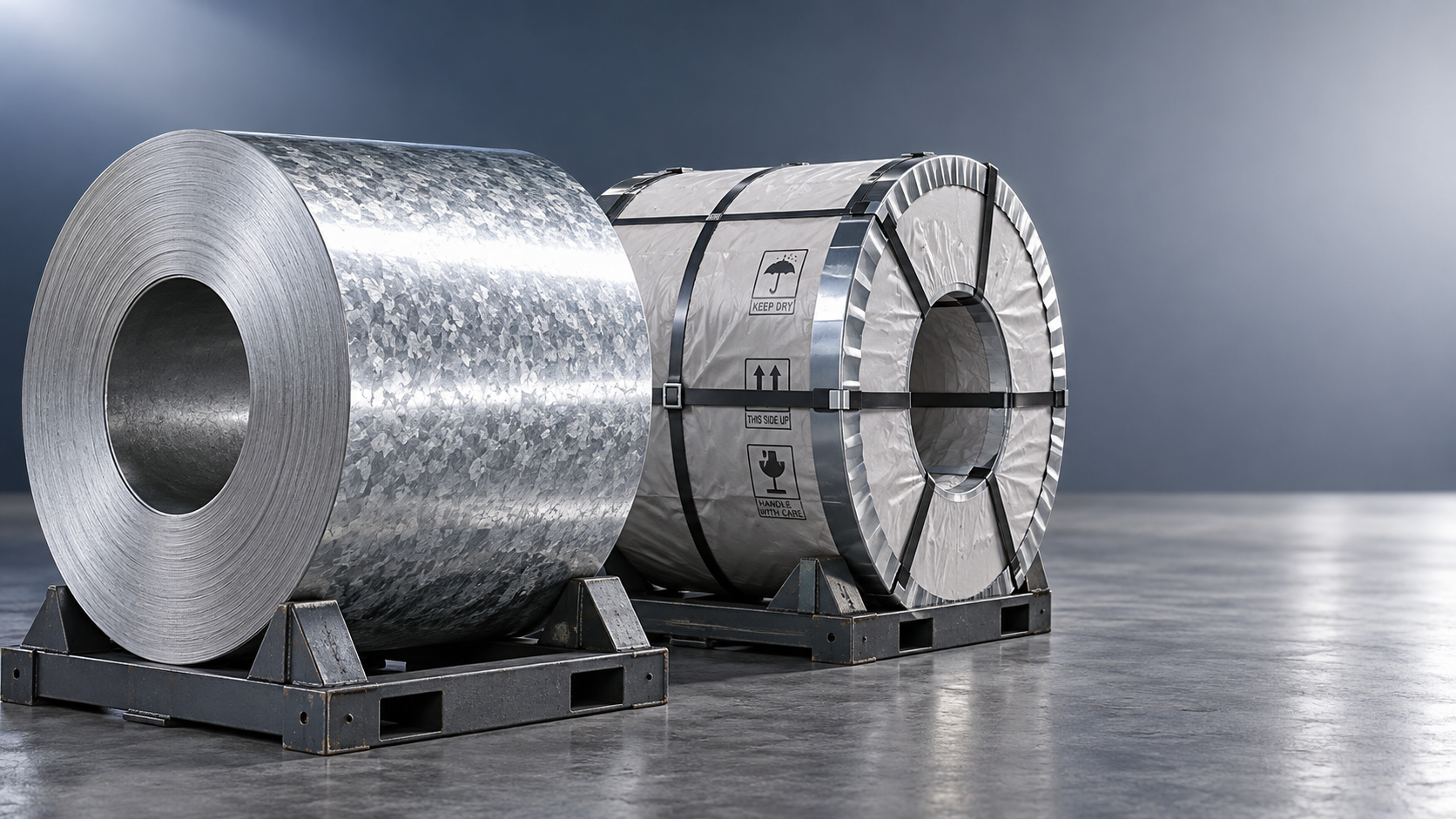
A low price per ton does not always mean a lower procurement cost. The better comparison is delivered cost per usable ton against an agreed specification.
When sourcing galvanized coil, buyers must account for coating requirements, steel grade, thickness tolerances, coil weight, processing, packaging, freight, insurance, and destination import charges.
Payment terms and delivery schedules also affect cash flow and inventory costs. These differences can reverse the apparent advantage of a cheaper supplier quotation.
This guide explains how to identify hidden expenses, clarify specifications, and compare offers consistently before committing funds or placing a purchase order with a supplier.
What Should Your Landed Cost Calculation Include?
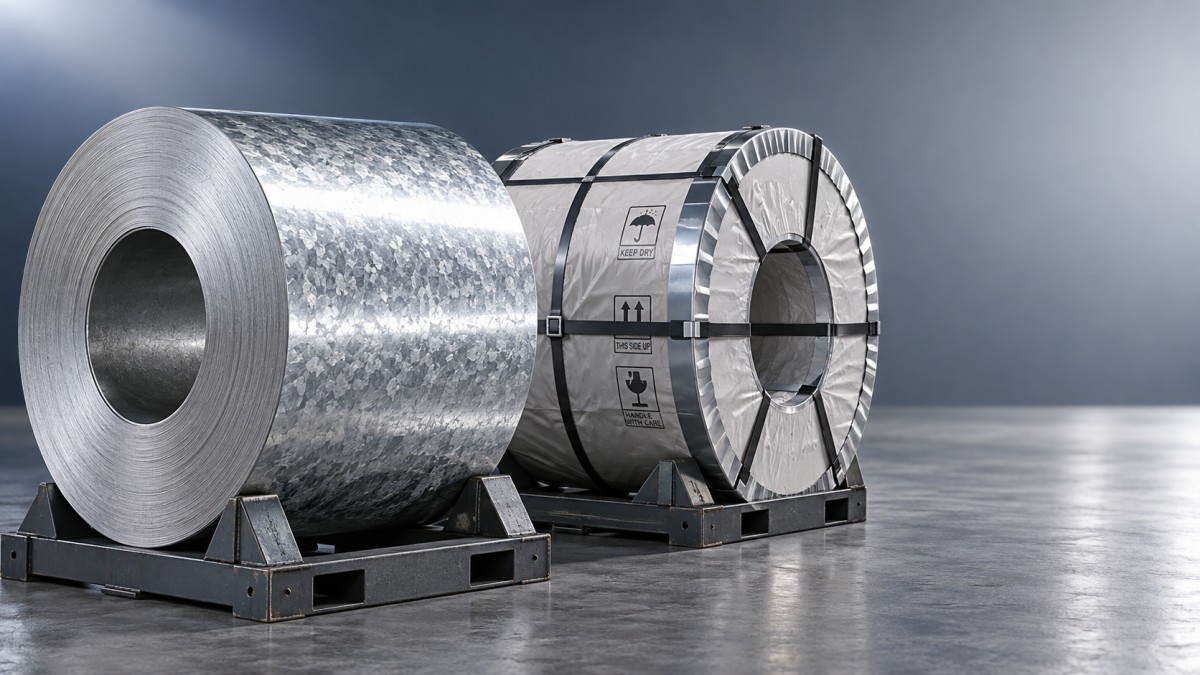
Start by defining the delivery endpoint: discharge port, customs warehouse, or factory receiving bay. Quotes cannot be compared fairly when they end at different locations.
For procurement decisions, calculate both physical landed cost and a broader economic cost that includes financing, expected processing losses, and inventory exposure where relevant.
Physical landed cost per received ton = total material, logistics, clearance, and delivery charges divided by the net material tonnage received at the agreed destination.
Then calculate cost per usable ton by allowing for expected scrap, rejected material, and processing yield. Keep financing and inventory assumptions visible as separate adjustments.
Use metric tons consistently. Confirm whether invoiced weight means actual net steel weight, theoretical weight, or gross shipment weight including packaging, before comparing unit prices.
Are Both Suppliers Quoting the Same Galvanized Coil?
The largest comparison errors often begin with incomplete specifications. Two quotations labeled “galvanized coil” may describe materials with different forming performance, coating protection, or dimensional accuracy.
Specify the applicable standard and grade, such as ASTM A653/A653M, EN 10346, or JIS G 3302. Do not assume similarly described grades are directly interchangeable.
Confirm whether the application requires commercial forming quality, structural strength, or deeper drawing capability. An unsuitable grade can increase cracking, rejection, or downstream processing costs.
Define surface condition, oiling or passivation requirements, and intended paint compatibility. Surface treatments should match storage conditions and subsequent manufacturing processes, including any applicable restrictions.
Request a written compliance statement and the agreed inspection documentation. A generic product brochure does not establish that the quoted production lot meets your requirements.
How Much Do Zinc Coating and Thickness Change the Price?
Zinc coating adds material cost, but its purchasing value depends on exposure conditions and service requirements. Specify the required coating designation and its acceptance criteria.
For example, Z275 generally denotes 275 grams per square meter total across both surfaces under relevant standards. It does not mean that amount on each side.
Confirm how coating mass is tested and accepted under the selected standard. Avoid treating minimum local readings and specified average coating mass as identical requirements.
Thickness deserves equal attention because small deviations change sheet area and part yield per purchased ton. Agree tolerances and whether thickness refers to coated material.
For area-based applications, compare cost per usable square meter at the required specification. A lower ton price can become less attractive when actual thickness increases.
A rough planning estimate is area = 1,000 ÷ (7,850 × thickness in meters). This excludes coating mass and should not replace contractual weight calculations.
Will Coil Dimensions Fit Your Production Line?
Coil width affects nesting efficiency, edge trimming, and scrap generation. Buying a standard width may save on material pricing while increasing waste during fabrication.
Specify width tolerance, edge condition, internal diameter, maximum external diameter, and acceptable coil weight range. Check these requirements against your handling and processing equipment.
Oversized coils may require rewinding or outside processing before use. Very small coils can increase loading cycles, line interruptions, and packaging cost per ton.
Evaluate minimum order quantities by specification, rather than only total shipment volume. Several grades or widths may each require separate production quantities and setup charges.
Ask suppliers to identify dimensional surcharges separately. This makes it easier to decide whether a small design adjustment could reduce total procurement and conversion costs.
Which Processing and Packaging Charges Are Easy to Miss?
Slitting, cut-to-length processing, leveling, and special surface preparation may be included, optional, or charged separately. Ask which operations are covered by the quoted price.
Confirm whether processing charges apply to incoming tonnage or finished output. Also establish who owns trim scrap and how unavoidable yield losses are priced.
For sea shipments, request packaging suitable for the route and handling conditions. Relevant details include moisture barriers, edge protectors, strapping, and protection around coil eyes.
Packaging reduces exposure but cannot guarantee freedom from condensation or wet storage stain. Agree storage guidance, arrival inspection procedures, and responsibilities for reporting damage.
Where a project also purchases structural products such as I-beam, assess shipment consolidation carefully: mixed cargo can change loading efficiency, securing needs, and handling charges.
What Do Freight Terms Actually Cover?
Record the Incoterms® rule, named place or port, and edition in every comparison. A price labeled only “FOB” leaves essential delivery details unresolved.
FOB and CIF are intended for sea and inland waterway transport. For container shipments, consider whether FCA better reflects where the seller hands over cargo.
CIF includes specified freight and insurance to the named destination port, but risk transfers at shipment. Destination charges and inland delivery still require explicit allocation.
For DDP offers, verify who can legally act as importer and how duties and taxes are handled. The quotation should identify any exclusions clearly.
Check freight validity, routing, transshipment, and equipment availability. A low freight estimate can become obsolete before production finishes, especially when shipment timing remains uncertain.
Allocate fixed charges using realistic payloads. Port handling, documentation, customs brokerage, and inland transport can cost substantially more per ton when shipment volumes fall.
How Do Import Duties, Taxes, and Insurance Affect the Budget?
Confirm classification with a qualified customs broker using the actual product specification. Coating, dimensions, origin, and destination rules can influence classification and applicable charges.
Check ordinary customs duty alongside antidumping, countervailing, safeguard, or other applicable measures. Some charges depend on origin, producer, exporter, or documentary evidence, not simply description.
Use the customs valuation basis required by the importing jurisdiction. Do not assume duties are always calculated on the supplier’s material invoice amount alone.
Separate recoverable import VAT or similar taxes from permanent costs, subject to local eligibility. Even recoverable amounts can create substantial working capital requirements.
Review cargo insurance limits, deductibles, exclusions, and claims documentation. Confirm coverage for the actual journey and relevant damage exposures rather than relying on “insurance included.”
Can a Higher Ton Price Produce a Lower Delivered Cost?
The example below compares two hypothetical offers for the same specification and destination. Figures are illustrative US dollars per received metric ton, not market quotations.
Offer B begins $25 higher per ton but delivers a lower physical landed cost. Its assumed yield advantage further reduces the cost of usable output.
Calculate usable cost by dividing landed cost by the expected usable fraction: $890 ÷ 0.97. Base yield estimates on production evidence, trials, or comparable receipts.
The identical import charge is a simplifying assumption; actual assessments may differ between offers. Recalculate taxes, exchange rates, and freight using each quotation’s documented basis.
How Do Payment Terms and Delivery Reliability Change the Decision?
A larger advance payment ties up cash earlier. Compare deposit dates, balance payments, bank charges, and the period before material becomes available for production.
Estimate financing cost as cash committed multiplied by annual funding rate and days financed divided by 365. Model staged payments separately when amounts are material.
Also identify currency exposure between quotation, deposit, final payment, and customs clearance. State the exchange rate assumption so procurement and finance evaluate the same scenario.
Separate production lead time from booking time, transit, clearance, and inland delivery. An estimated sailing date alone does not establish when usable stock will arrive.
Evaluate delay exposure through realistic scenarios, such as extra safety stock or expedited replacement purchases. Avoid adding speculative downtime penalties without supporting operational evidence.
What Should Buyers Request Before Approving an Order?
Send suppliers one structured request for quotation and require deviations to be listed explicitly. This reduces assumptions and makes commercial differences easier to evaluate.
- Material: standard, grade, coating designation, surface treatment, thickness definition, tolerances, width, and edge condition.
- Coils: weight range, internal and external diameters, net weight basis, and permitted quantity variation.
- Services: processing scope, yield assumptions, packaging details, inspection documents, and acceptance criteria.
- Delivery: Incoterms® rule, named location, schedule, freight validity, and excluded destination charges.
- Commercial terms: currency, price validity, payment milestones, claims process, and responsibility for nonconforming material.
Jiangsu Zhongersheng Metal Products Co., Ltd. supplies galvanized steel alongside carbon steel and stainless steel, with custom processing services supporting varied industrial procurement requirements.
When requesting a quotation, provide the destination, application, required specification, quantity, and processing needs. Ask for an itemized offer that supports your landed cost worksheet.
Choose the Lowest Defensible Cost per Usable Ton
The strongest galvanized coil offer combines compliant material, practical coil dimensions, clear delivery responsibilities, and predictable charges. Price per ton is only the starting input.
Normalize specifications first, calculate delivered and usable costs second, then assess payment and schedule exposure. Award the order against documented assumptions that operations can verify.
This approach gives procurement teams a defensible purchasing decision and a clear record for checking invoices, inspecting receipts, and improving the next sourcing cycle.