


News center
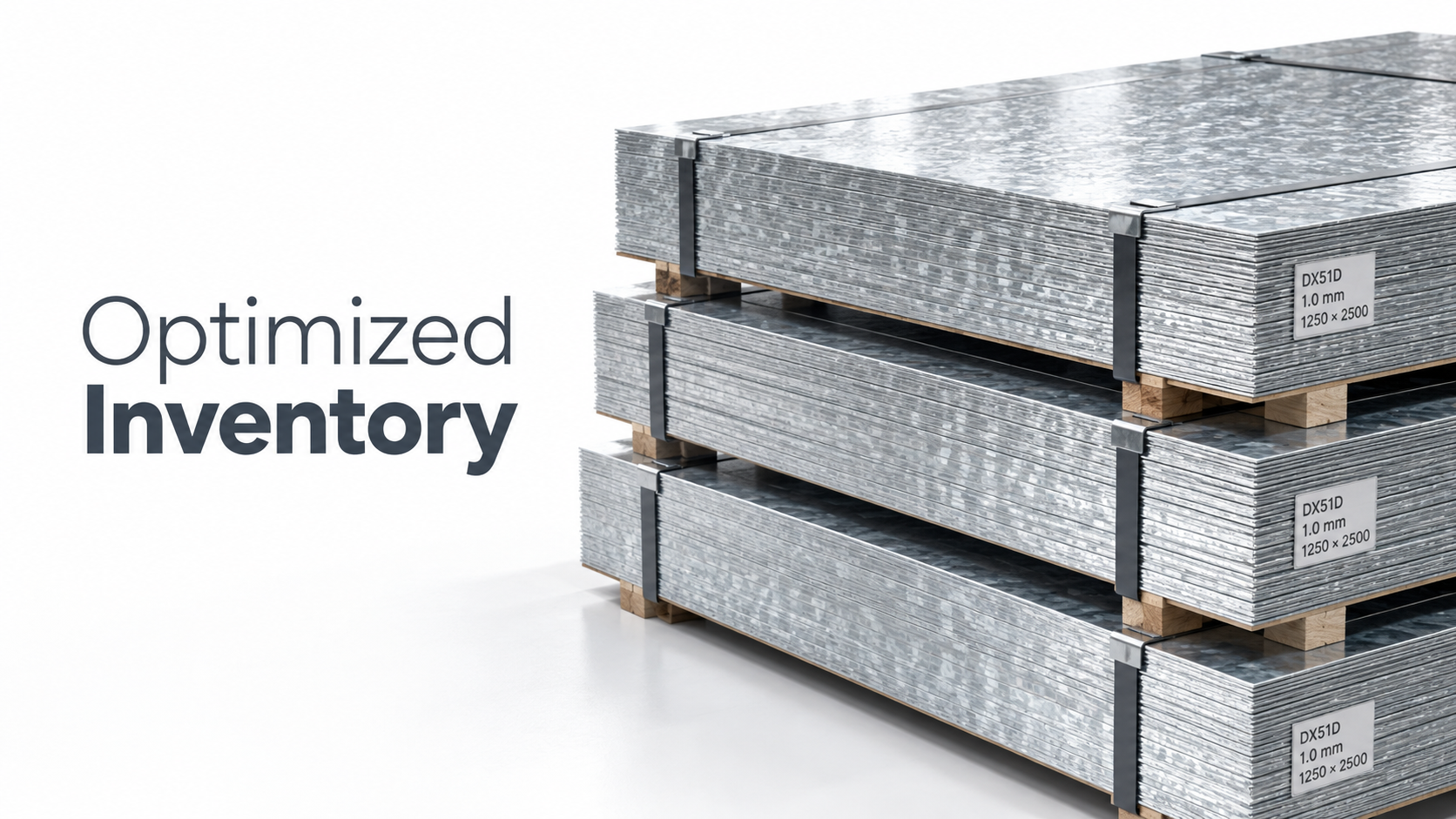
For steel distributors and wholesalers, optimizing inventory turnover is crucial for maximizing profitability and cash flow. When stocking a galvanized plain sheet, selecting the right dimensions significantly impacts storage efficiency and sales velocity. The highest inventory turnover does not come from a single magical dimension, but rather from a specific matrix of standard widths and medium-thin thicknesses that align with downstream manufacturing norms. Understanding which sizes move fastest requires looking beyond basic supply catalogs and analyzing the physical and economic constraints of the end-use markets.
The Geometry of Demand: Why Standard Widths Dominate
In the galvanized steel market, width is the primary driver of inventory velocity. The fastest-moving galvanized plain sheet sizes consistently cluster around three standard widths: 1000 mm, 1219 mm (4 feet), and 1250 mm. The dominance of these specific dimensions is not arbitrary; it is dictated by the tooling standards of downstream fabrication equipment and the physical constraints of global logistics.
The 1219 mm width, particularly when paired with a 2438 mm (8 feet) length, represents the highest turnover segment in North American and many export-oriented markets. This is fundamentally a legacy of imperial measurement systems embedded in construction and manufacturing. Press brakes, shearing machines, and stamping presses in these regions are predominantly tooled for 4-foot and 8-foot increments. When a distributor stocks 1219 x 2438 mm sheets, they are directly matching the input requirements of the majority of local fabricators, minimizing the need for secondary cutting and reducing material waste for the buyer.
In regions operating strictly on the metric system, such as Europe, the Middle East, and parts of Asia, the 1000 mm and 1250 mm widths drive the highest sales velocity. These sizes pair logically with 2000 mm and 2500 mm lengths. The 1250 mm width has gained significant traction globally because it offers an optimal balance between material utilization and production efficiency. It allows mills to produce wide coils that can be slit or cut with minimal edge trim waste, a cost-saving that is eventually passed down the supply chain, making the end product more competitive and faster to sell.
Logistics also play a silent but critical role in determining turnover rates. Standard shipping containers and truck trailers have internal width constraints that favor 1000 mm and 1219 mm dimensions. A 1219 mm sheet can be loaded side-by-side or optimized within a standard 20-foot or 40-foot container with minimal wasted space. Distributors who align their stock with these logistics-friendly dimensions benefit from lower inbound freight costs and faster dispatch times, both of which contribute to a higher overall inventory turnover ratio.
Thickness Dynamics: The Sweet Spot for Sales Velocity
While width determines the physical fit for downstream machines, thickness dictates the application volume. The highest turnover for a galvanized plain sheet is heavily concentrated in the medium-thin gauge range, typically between 0.4 mm and 1.2 mm.
This thickness bracket covers the most voluminous applications in the modern economy: HVAC (Heating, Ventilation, and Air Conditioning) ductwork, light steel framing, roofing and cladding, and general appliance enclosures. These industries operate on high-volume, continuous production schedules. A distributor stocking 0.5 mm, 0.8 mm, and 1.0 mm sheets in standard widths will experience rapid replenishment cycles because these gauges are consumed daily by fabricators. The demand is steady, predictable, and largely insulated from the severe cyclical downturns that affect heavy construction.
Conversely, thicker galvanized sheets (1.5 mm to 3.0 mm and above) serve structural applications, heavy-duty cabinets, and agricultural equipment. While the profit margin per ton on these thicker sizes can sometimes be higher, the sales velocity is noticeably slower. The purchasing pattern for heavy-gauge sheets is often project-based or batch-oriented rather than continuous. A distributor might sell a batch of 2.0 mm sheets to a structural fabricator and then wait weeks for the next order. Consequently, the inventory turnover rate for thick sheets is inherently lower, requiring more working capital to be tied up in warehouse space for extended periods.
How Processing Trends are Reshaping Sheet Dimensions
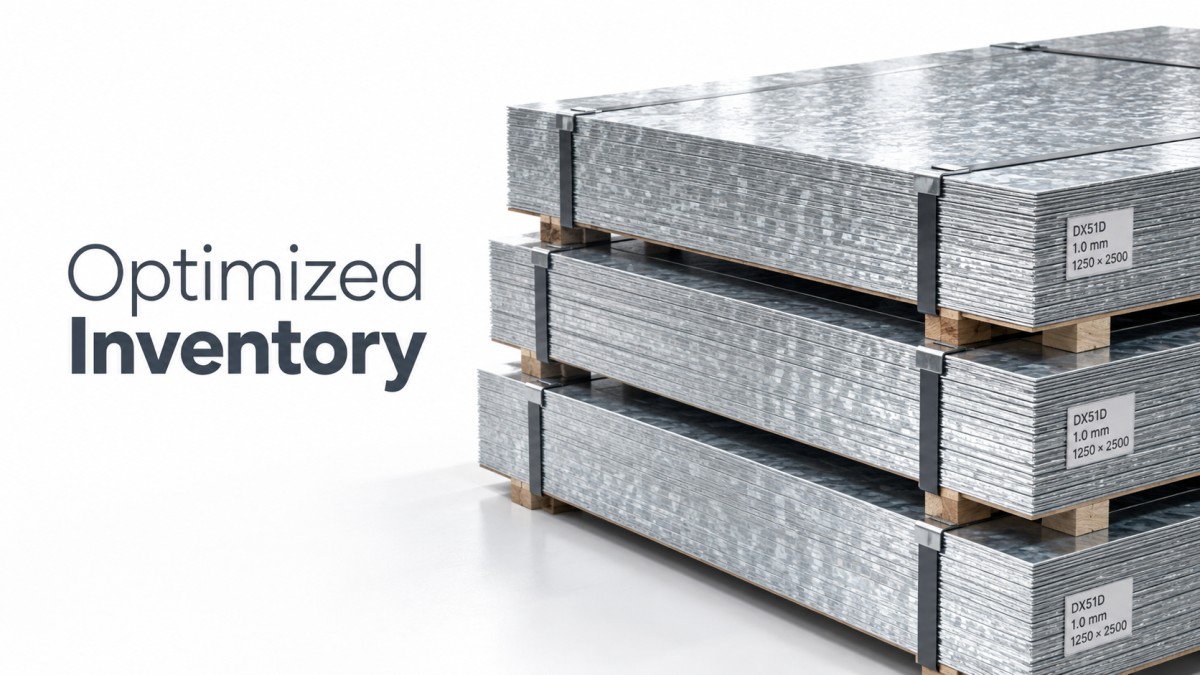
The definition of a "fast-moving" size is currently being reshaped by the expansion of value-added processing services at the distribution level. Historically, distributors stocked a vast array of cut-to-length sizes to meet every possible customer request. Today, the trend has shifted toward stocking standard "mother" sheets or coils and utilizing in-house cut-to-length (CTL) and slitting lines.
This operational shift means that the highest turnover is now concentrated in the standard master sizes—such as 1250 x 2500 mm or 1500 x 3000 mm in thicker gauges, and 1219 x 2438 mm in thinner gauges. Distributors use these standard sheets as raw material for their processing lines. When a customer orders a non-standard size, the distributor cuts it from the high-turnover master sheet. Therefore, the master sizes experience double the turnover velocity: they are sold directly to customers who need standard dimensions, and they are consumed internally to fulfill custom orders.
This trend forces distributors to rethink their inventory profiles. Holding a wide variety of non-standard finished sizes actually depresses overall inventory turnover. The modern, highly efficient distributor maintains deep stock in a few high-velocity master dimensions and relies on processing agility to meet diverse customer requirements, rather than relying on a broad, shallow inventory of pre-cut sizes.
The Hidden Cost of Long-Tail Sizes
For distributors, the temptation to stock non-standard or "long-tail" sizes often stems from a desire to capture niche orders that command a premium price. However, from an inventory turnover perspective, these sizes are highly destructive to cash flow.
A non-standard size, such as a 1150 mm width or an unusual 1.8 mm thickness, might yield a 10% higher gross margin on the invoice. But if that size sits in the warehouse for six months before selling, the carrying cost—including warehouse space, insurance, capital cost, and potential surface degradation (like white rust formation if stored improperly)—will easily erase that premium. High inventory turnover is not just about selling; it is about converting cash back into cash as rapidly as possible. Long-tail sizes break this cycle.
Professional distributors manage this risk by strictly limiting the depth of stock in long-tail sizes. If a specific non-standard galvanized plain sheet size does not demonstrate a consistent historical sales velocity over a rolling 90-day period, it is either removed from physical stock or sourced only on a direct mill-order basis. This discipline ensures that warehouse space and capital are reserved exclusively for the dimensions that drive daily revenue.
Aligning Inventory with Regional Market Realities
Finally, determining the highest turnover sizes requires acknowledging regional market realities. A distributor operating primarily in the North American market must heavily weight their inventory toward 4x8 (1219 x 2438 mm) and 5x10 (1524 x 3048 mm) sheets. Introducing large volumes of metric-only sizes into this specific supply chain will result in sluggish turnover, as local fabricators lack the tooling to utilize them efficiently.
Similarly, distributors focusing on the Asian, European, or Middle Eastern markets must prioritize 1000 mm and 1250 mm widths. Export-oriented distributors who ship to multiple regions face a more complex calculation. They often find that 1219 mm and 1250 mm widths offer the best global liquidity, as these sizes can be adapted or accepted in a wider variety of regional markets compared to highly localized dimensions.
Ultimately, achieving the highest inventory turnover for a galvanized plain sheet is an exercise in aligning physical stock with the mechanical realities of downstream manufacturing and the financial realities of working capital management. By concentrating inventory on standard widths, medium-thin gauges, and master processing sizes, distributors can ensure that their steel moves rapidly through the warehouse, converting inventory into cash and sustaining long-term operational profitability.
Please give us a message