


‹
›
‹
›
Product Description
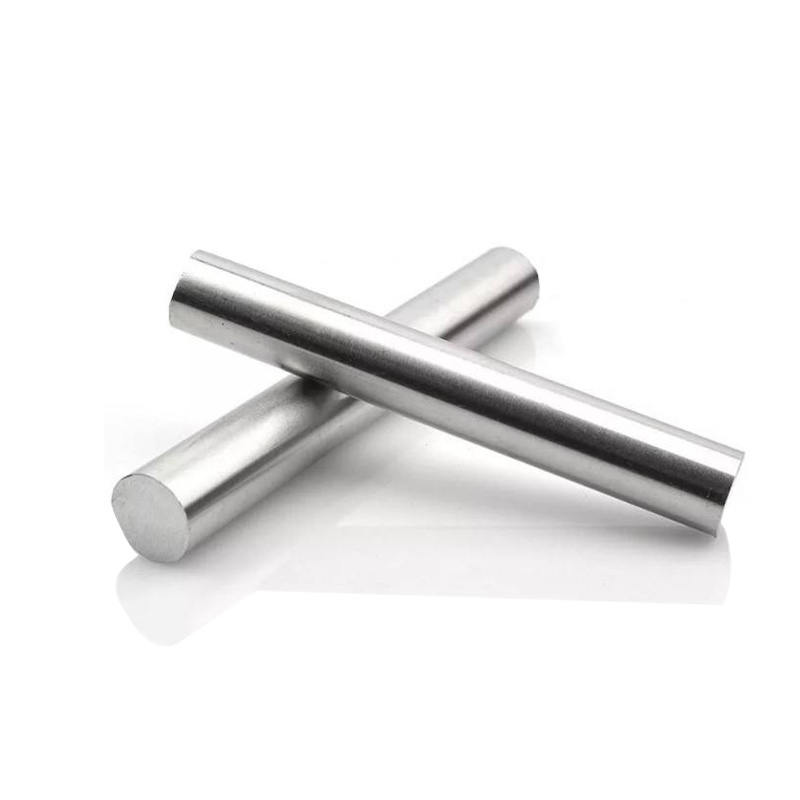
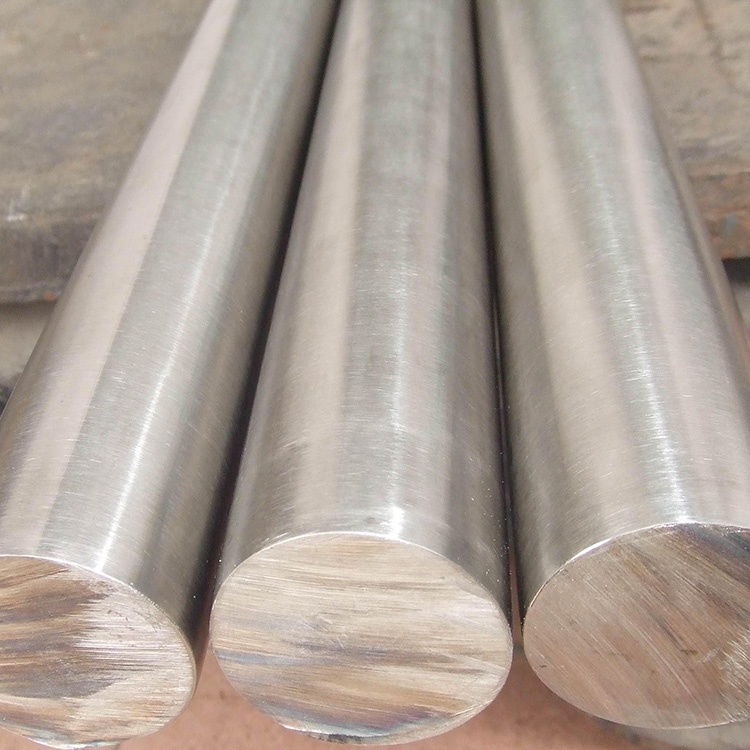
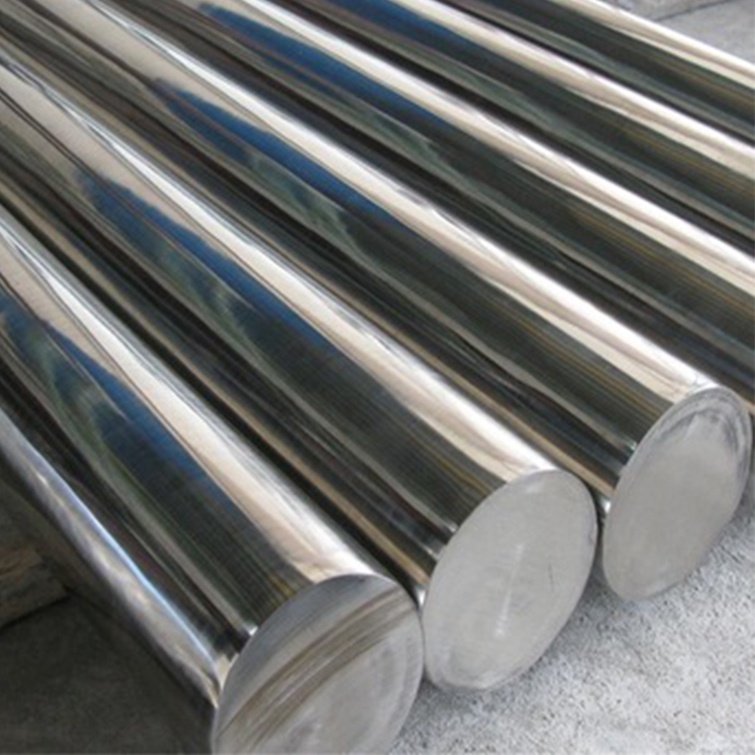
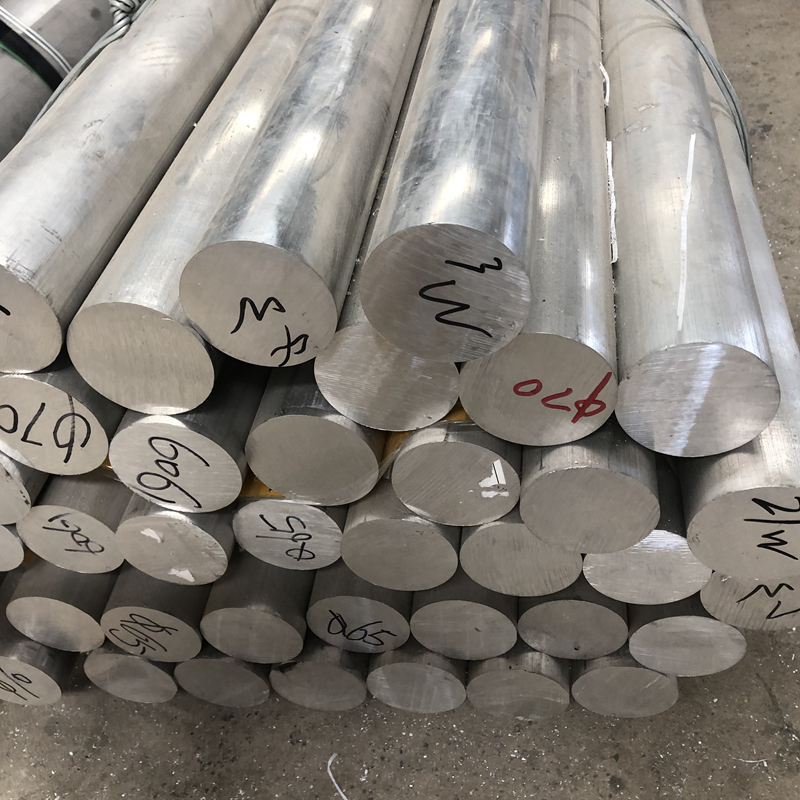
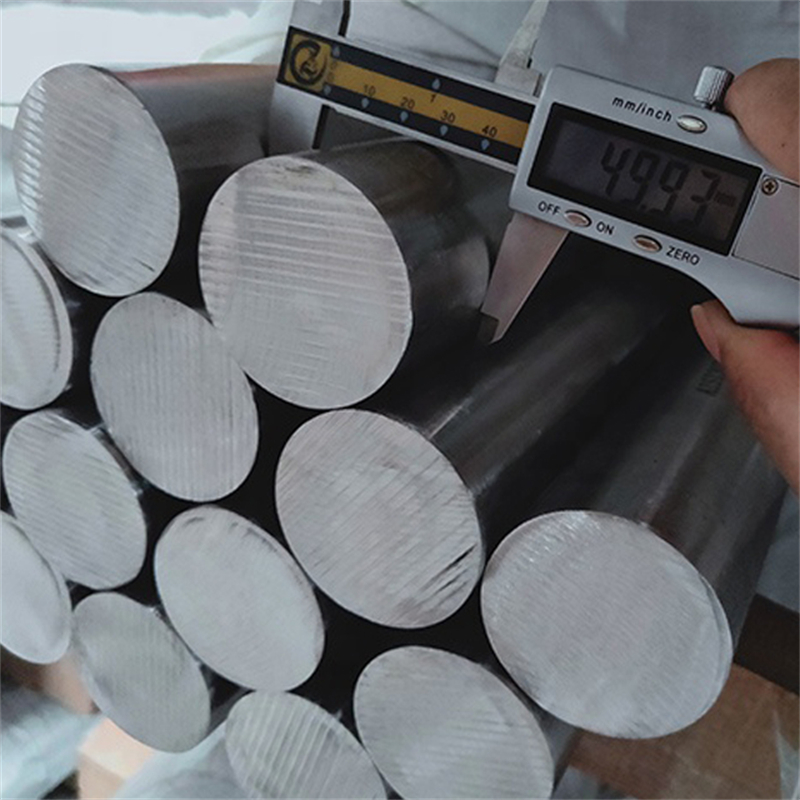
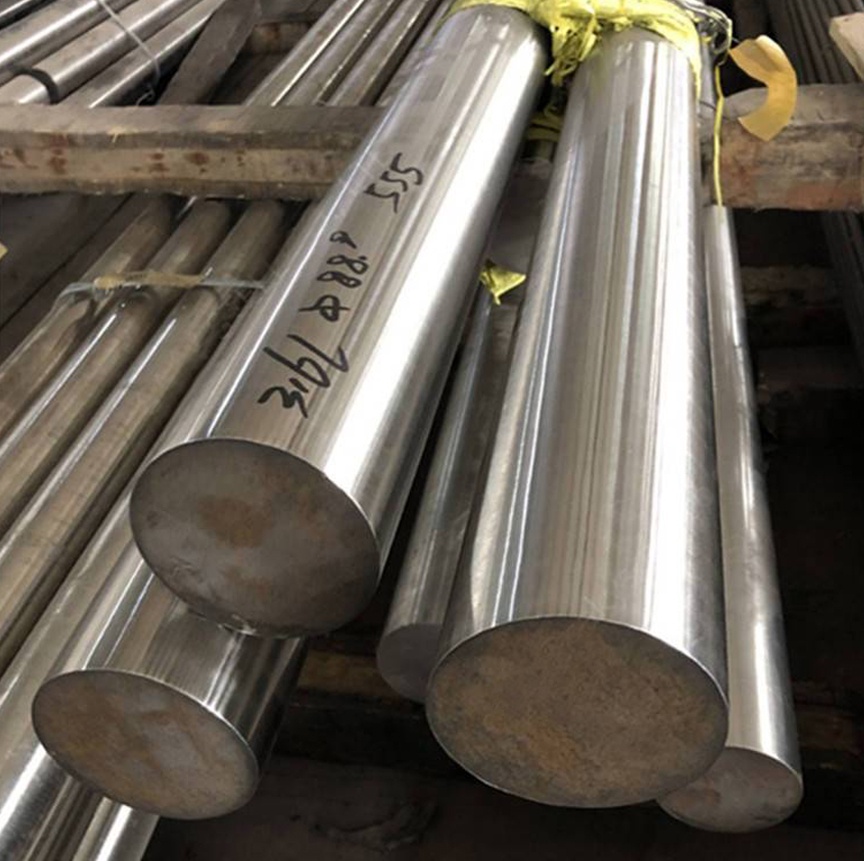
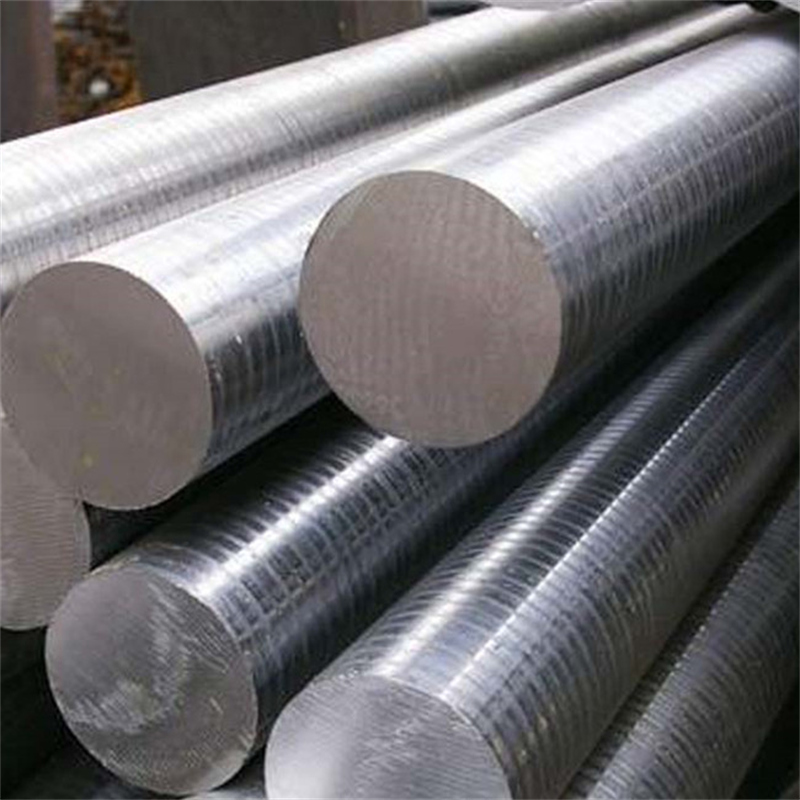
304L Stainless Steel Bar Description
304L stainless steel bar is used where welding is involved, as a variant of 304 stainless steel bar. The lower carbon content greatly lowers the precipitation of carbides in the heat-affected zone close to the weld, and such precipitation is likely to lead to intergranular corrosion of stainless steel in certain settings. Basically, their is no need to anneal weld joints prior to using the completed metal form using 304L, saving time and effort. As a matter of fact, both 304 and 304L stainless steel bars can be used for many of the same applications. The differences are often minor enough that one isn’t considered massively more useful over the other. 304L stainless steel bars are commonly used as manufacturing parts in fields such as food processing equipment, building materials, automobile parts.
Product Parameters
Chemical Composition
Mechanical Properties
Physical Performance
Product Application
Chemical Industry
steel is used to construct facilities such as large storage tanks, refining equipment, and chemical pipelines.
Natural Gas Industry
Steel is also widely used in the energy industry, such as oil and gas pipelines.
Oil Pipeline
In the oil and gas industry, carbon steel is used to manufacture various equipment and pipelines.
Ship
In shipbuilding, steel is used to manufacture key components such as ship structures and engine parts.
Stadium
Steel plays an important role in steel structure buildings such as high-rise buildings, large-span buildings, and sports venues.
Water Treatment
The application of steel in water treatment is mainly reflected in the construction of water treatment equipment and the production of components such as pipelines.
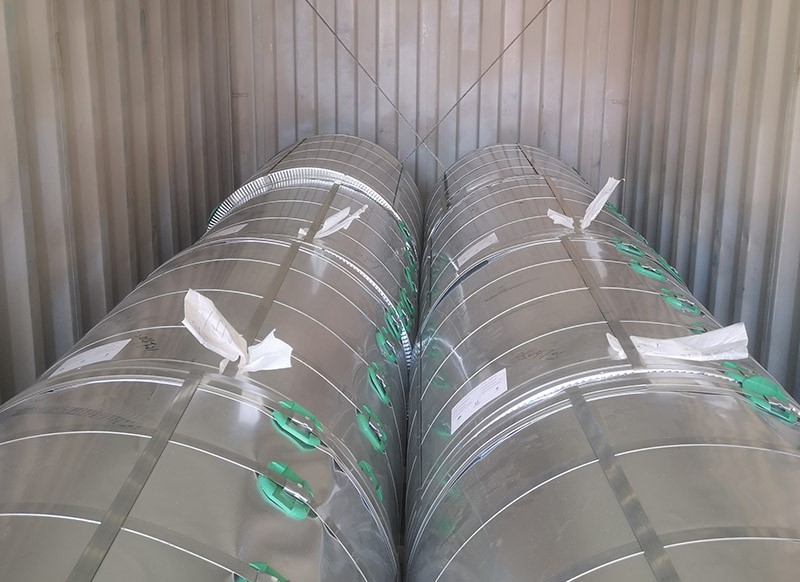
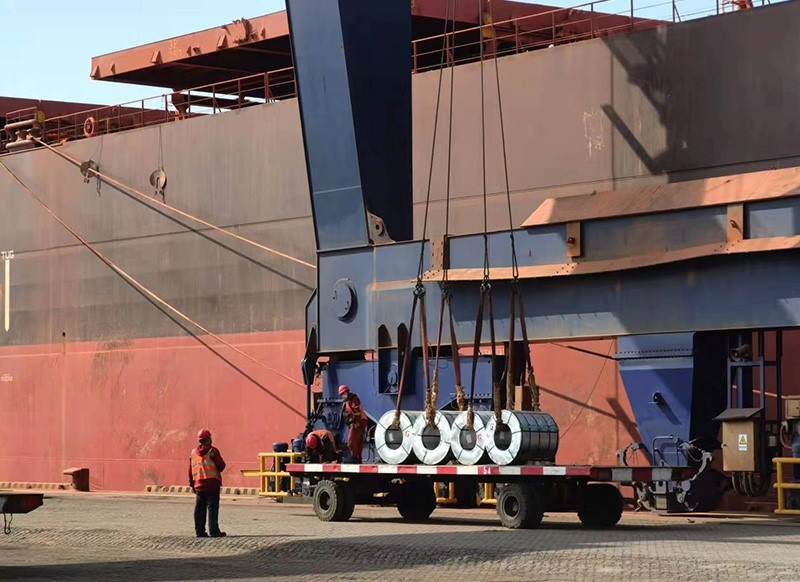
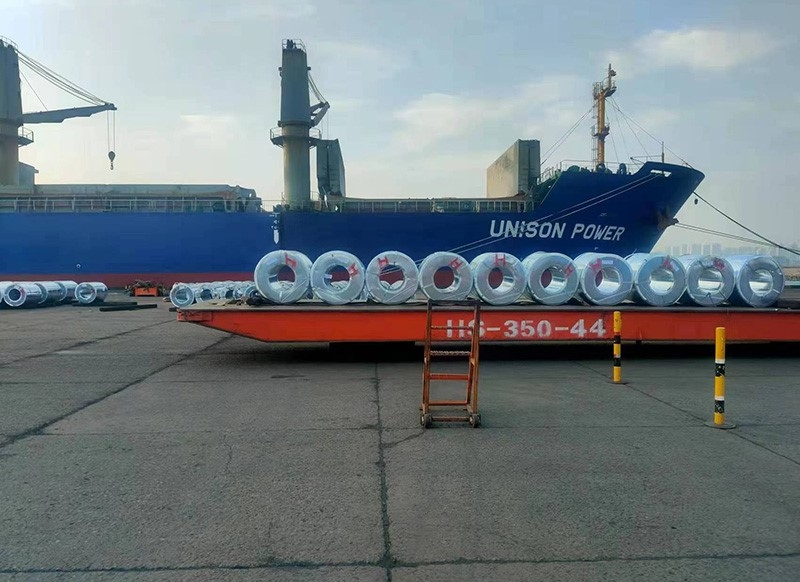
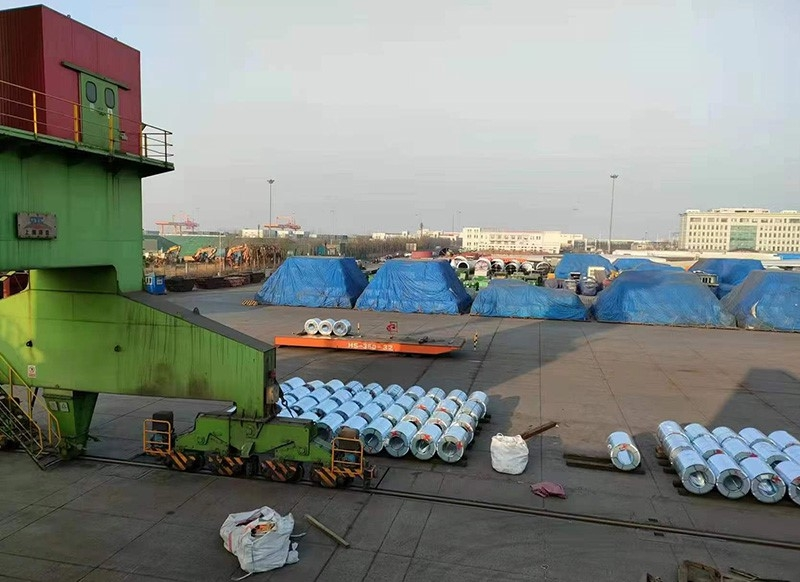
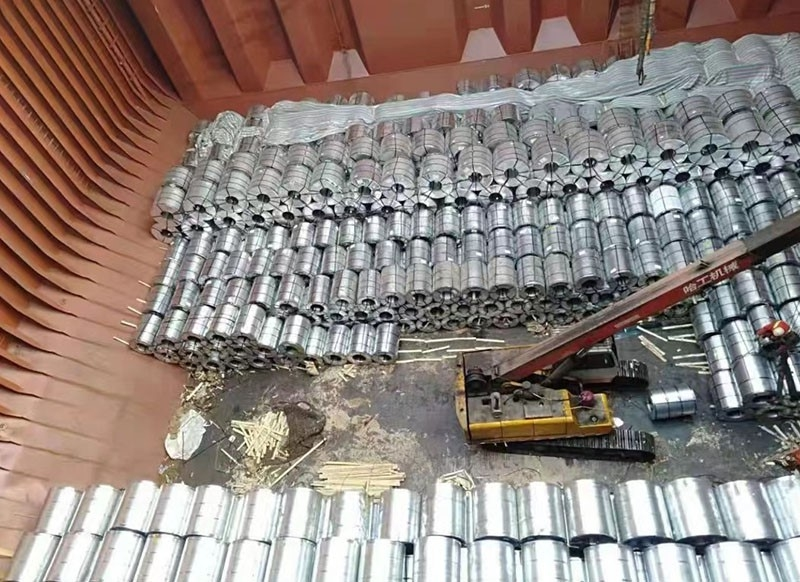
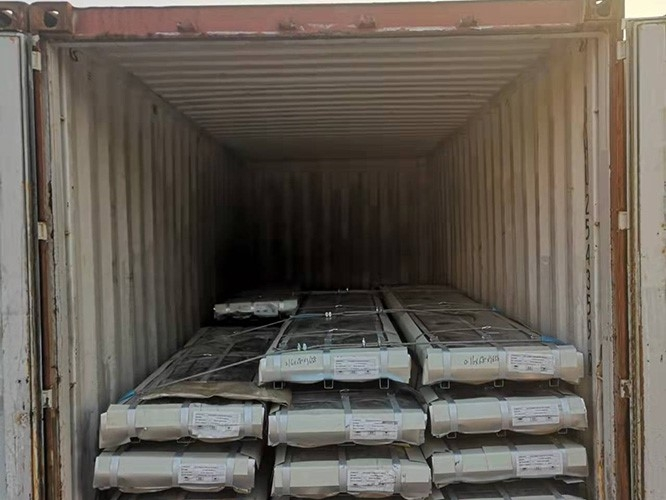
Packaging and shipping
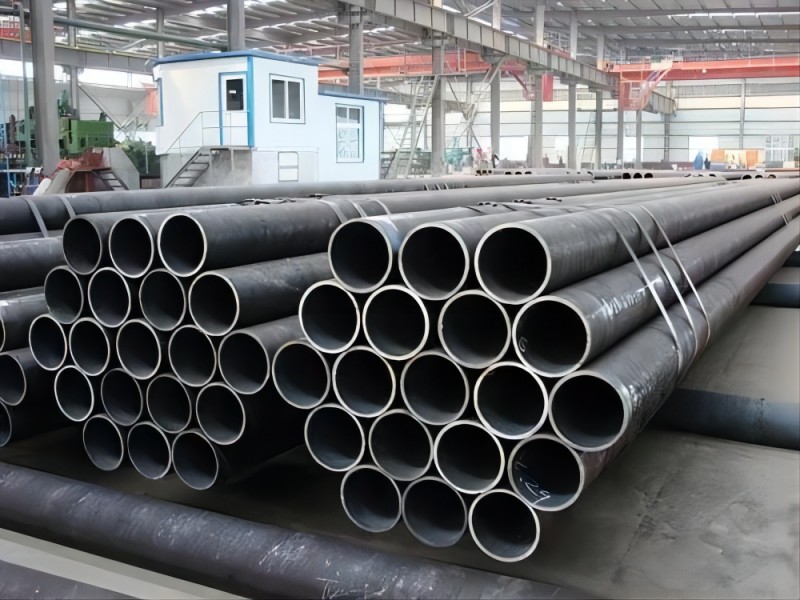
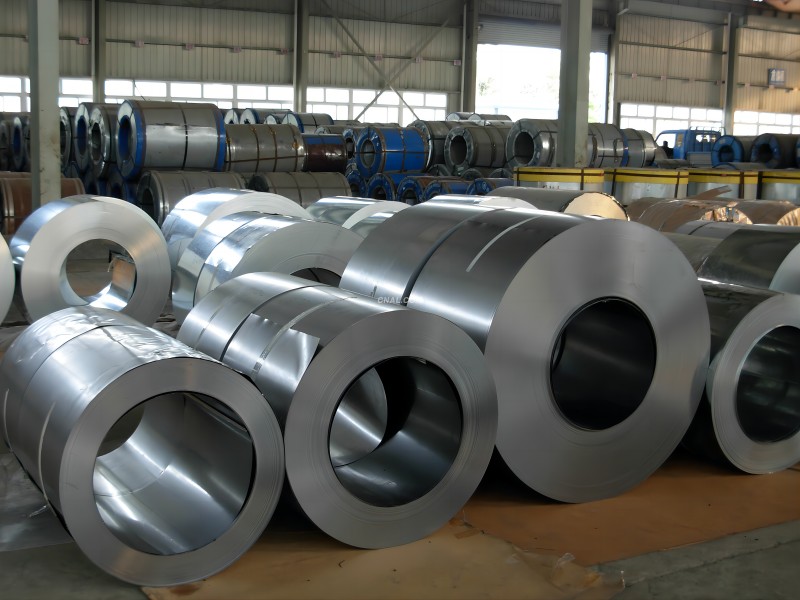
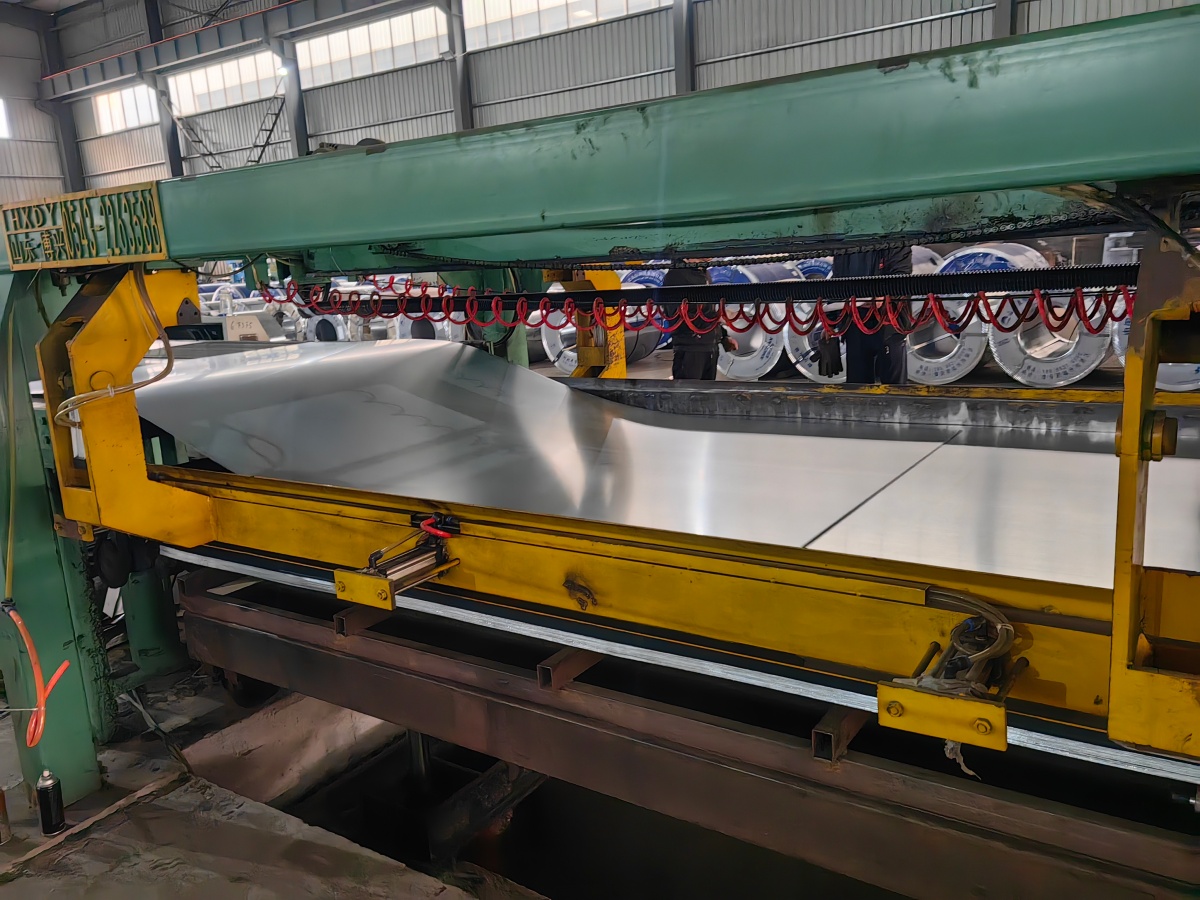
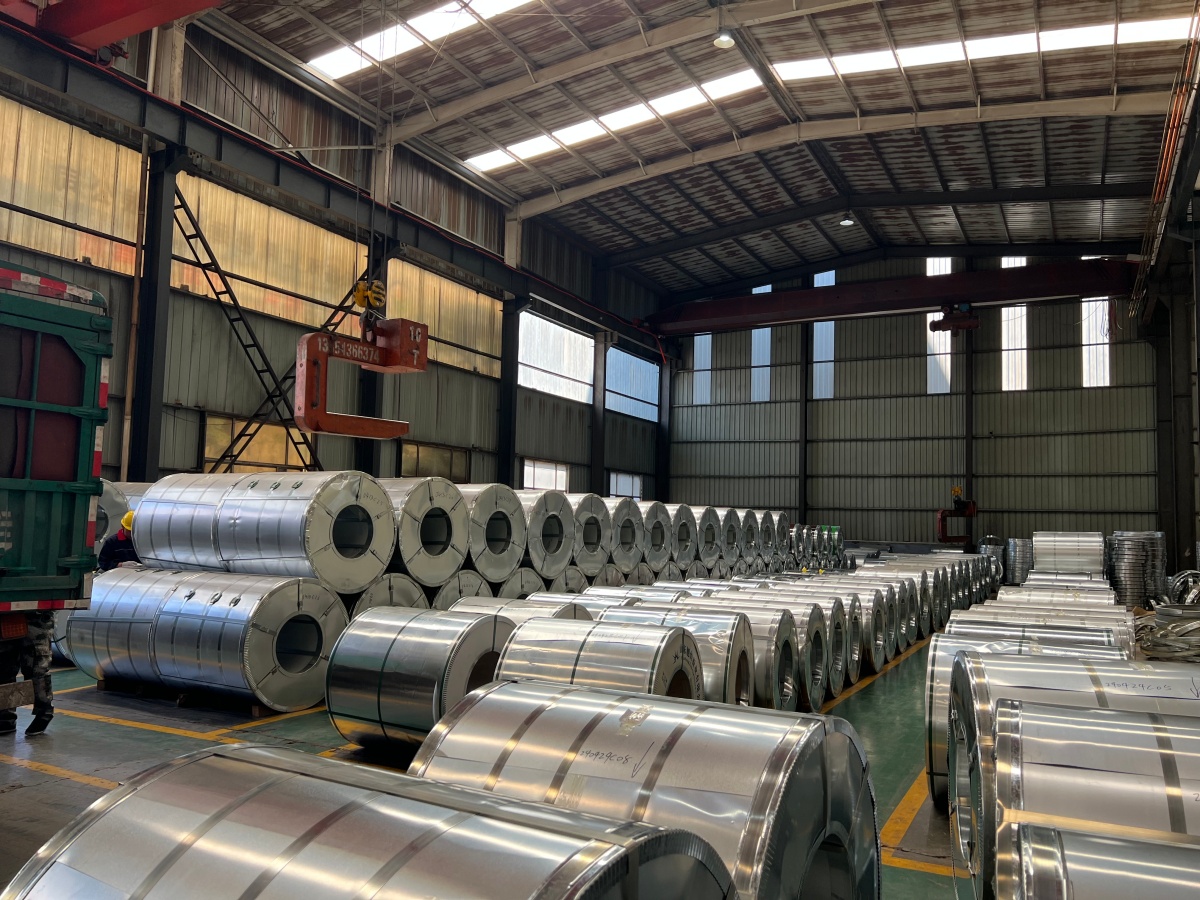
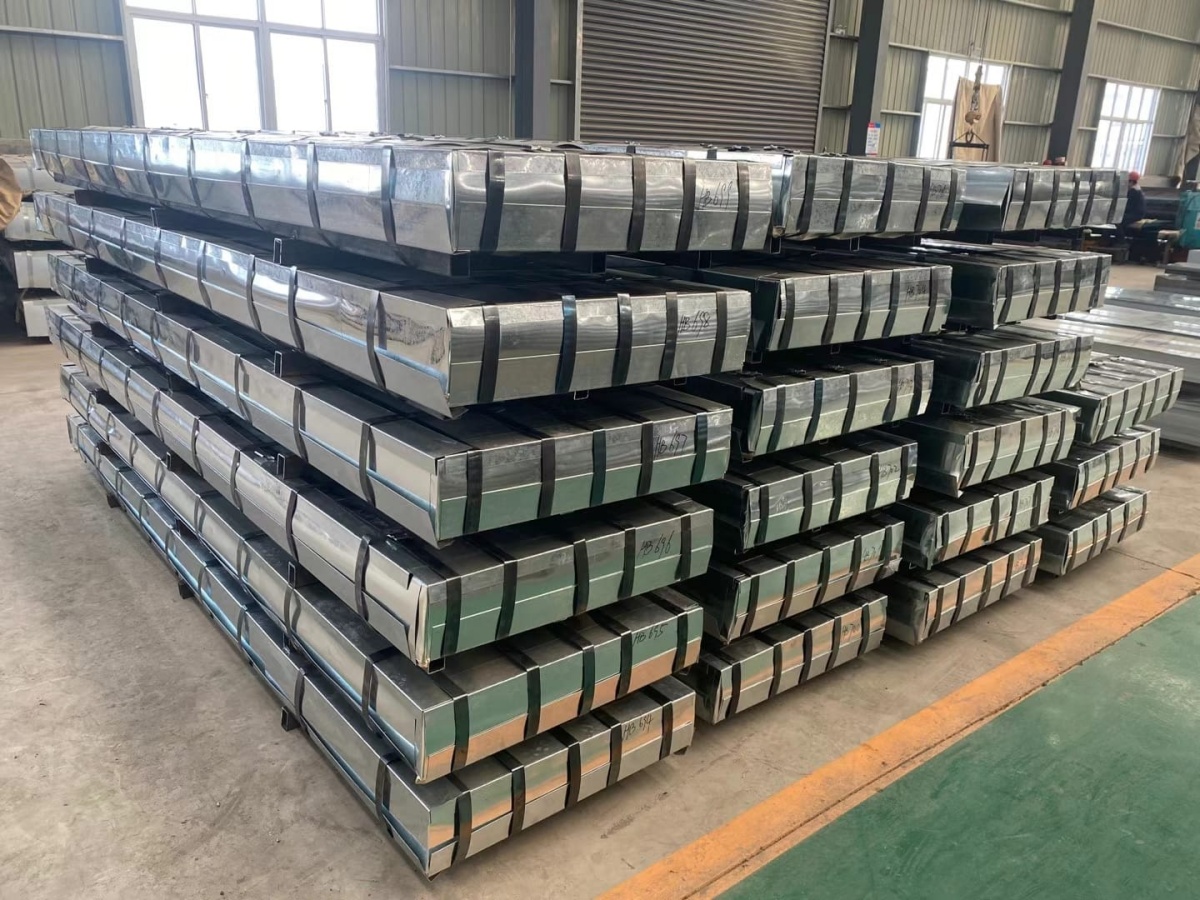
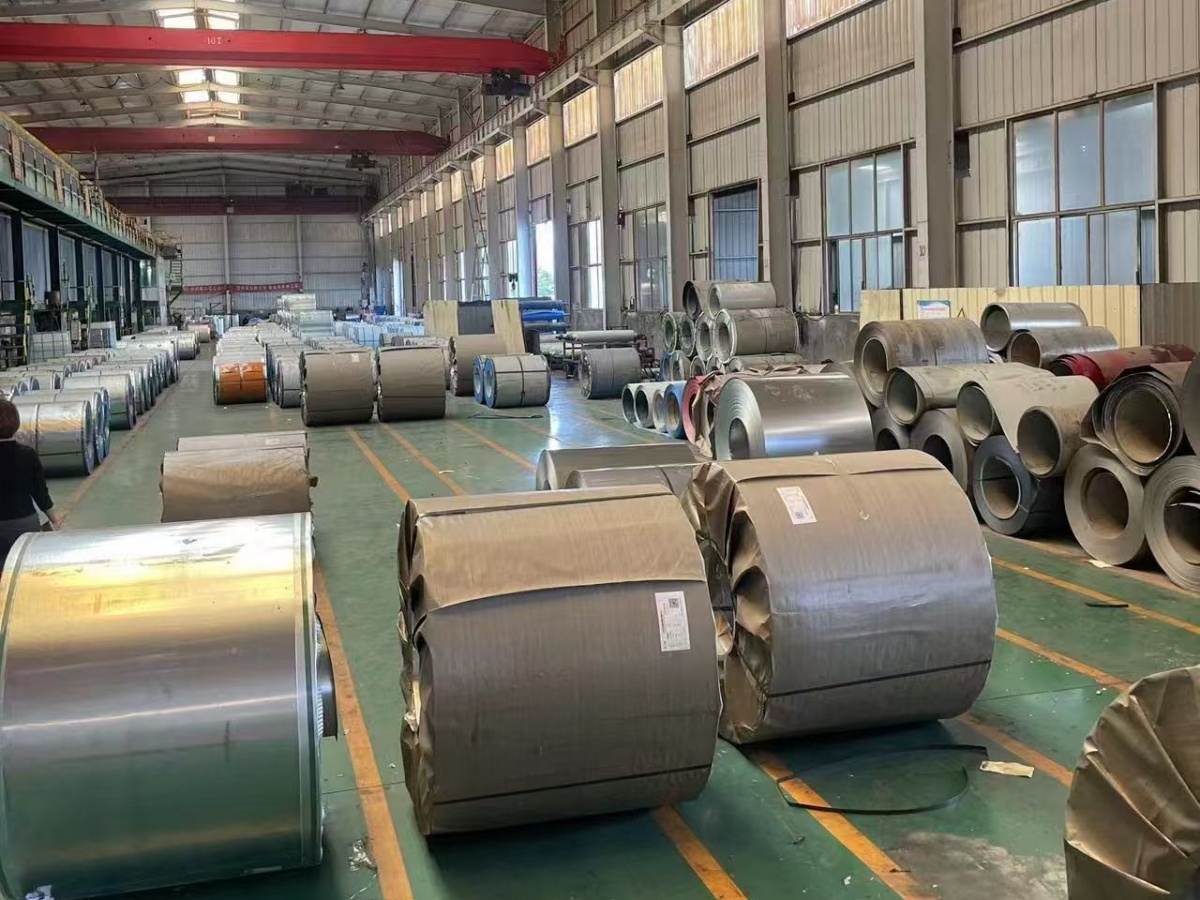
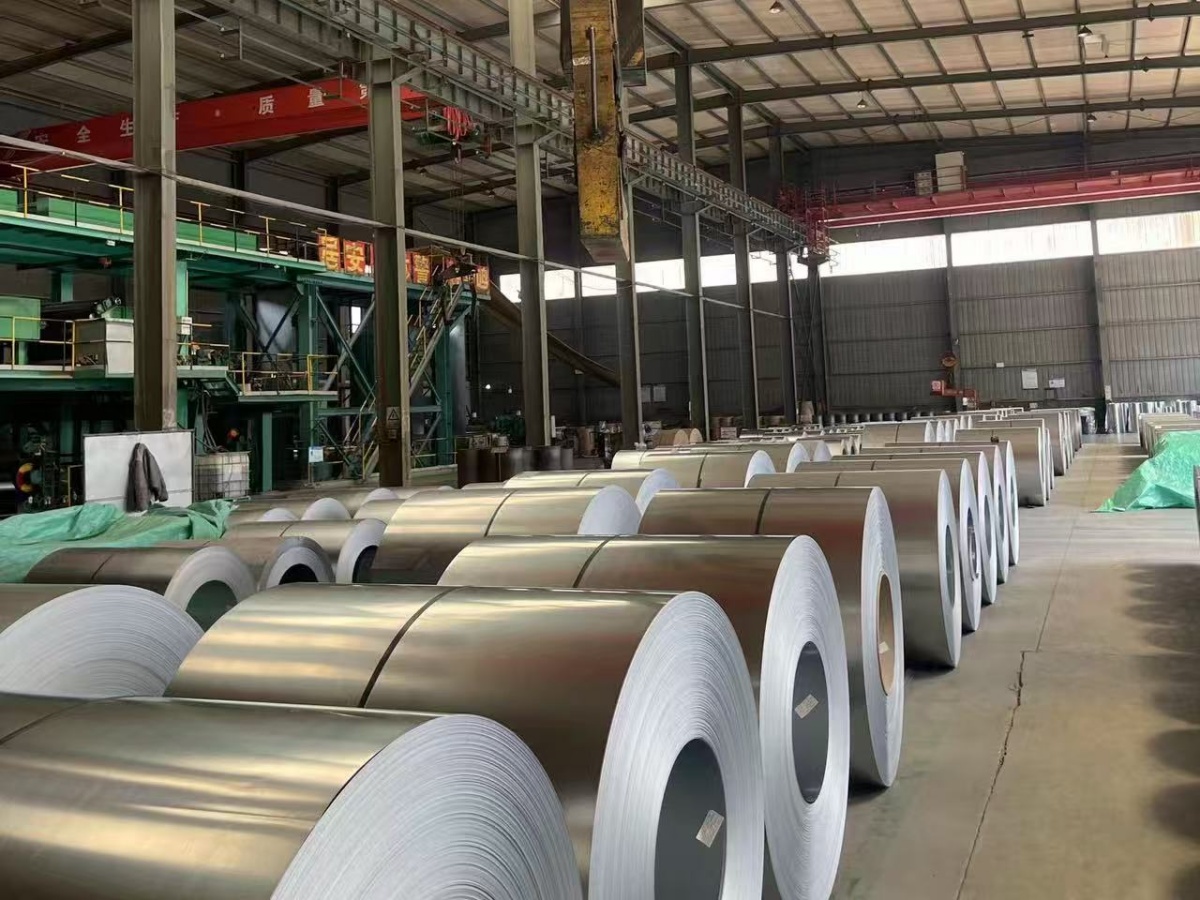
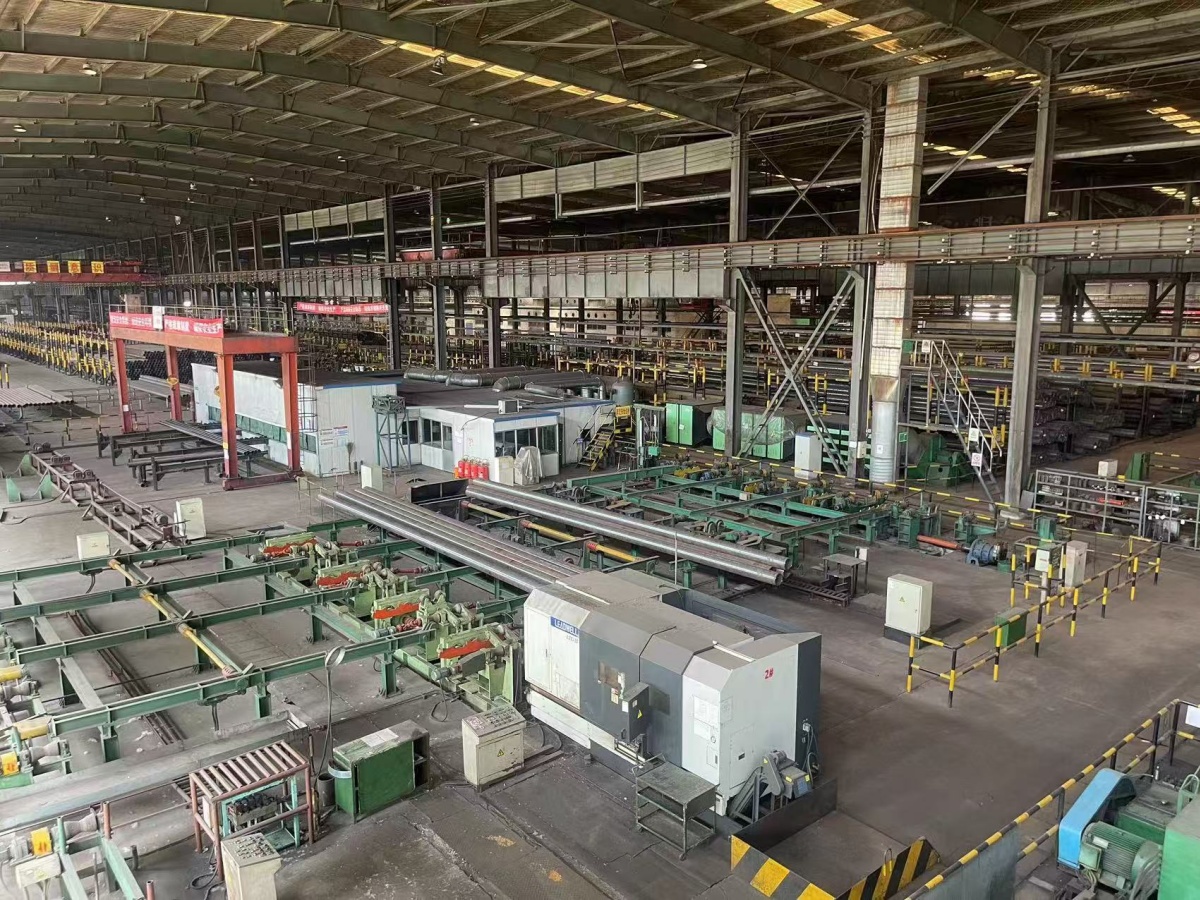
Factory Display
FAQ
Q1: What metal materials do you supply?
Jiangsu Zhongersheng is a professional manufacturer mainly supplying carbon steel, hot-dip galvanized steel, PPGI color coated steel, 201/304/316 stainless steel sheets, coils, tubes and profiles, as well as various steel structural parts. Our products serve infrastructure, photovoltaic, machinery manufacturing, chemical and new energy industries.
Q2: Can you customize material grades, thickness and sizes?
Full customization is available. For carbon steel, galvanized steel and stainless steel, thickness, width and length can be adjusted in accordance with ASTM & EN standards. Profiles can be cut and processed as per drawings, and special steel materials can be customized via production line scheduling.
Q3: What’s the difference between galvanized steel and color coated PPGI?
Hot-dip galvanized steel features pure zinc anti-rust coating with cost-effective and wear-resistant performance, suitable for steel brackets, guardrails and load-bearing structures, and supports secondary painting. PPGI takes galvanized sheet as base material with colorful coating for anti-rust & decorative purposes, widely used for factory roof/wall panels and energy storage housings. Thick galvanized steel is recommended for rainy coastal areas, while PPGI is ideal for decorative outdoor projects.
Q4: Do you have spot inventory? What’s your MOQ?
We built a 10,000-ton standardized warehouse with abundant spot stock of carbon steel, galvanized steel and stainless steel. MOQ is 1 ton for standard sizes; small samples of dozens of kilograms are acceptable. No upper limit for bulk engineering orders, mixed container loading of multiple steel types is supported.
Q5: How long is the delivery time for spot goods & customized goods?
Spot goods can be loaded within 3-7 days; simple cutting & bending processing orders take 7-10 days; mould opening & special steel customization takes 15-30 days, subject to specific specifications confirmation.
Related Products
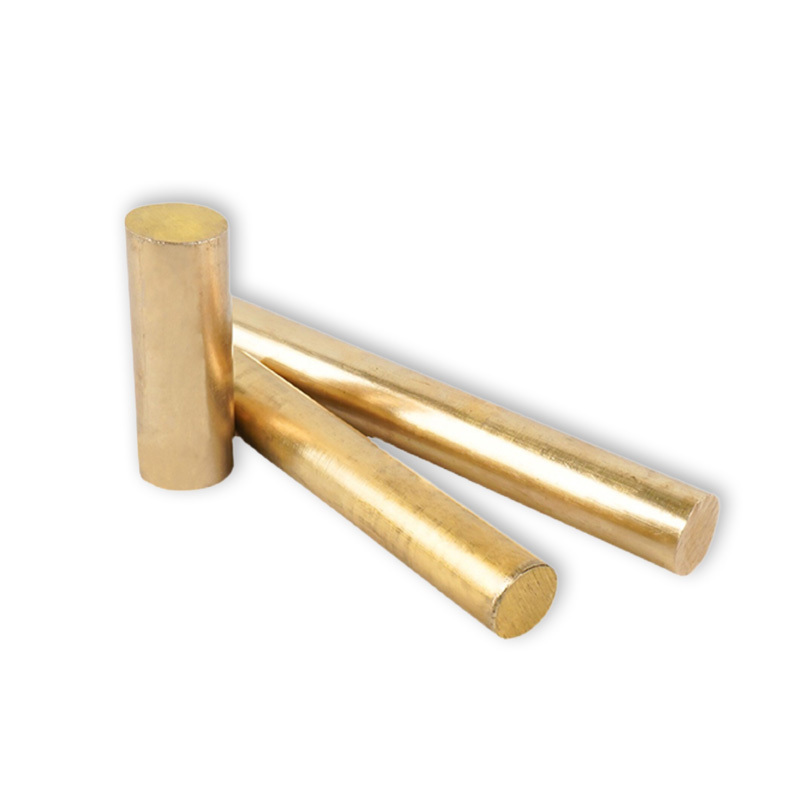
 C28000/H60/H62 Brass Bar
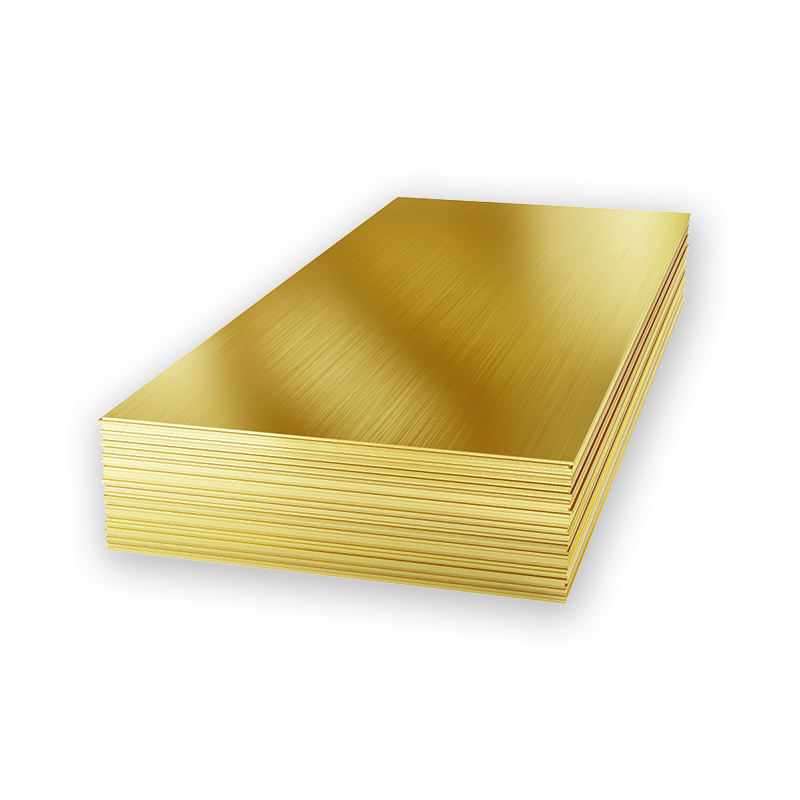
 C28000/H60/H62 Brass Plate
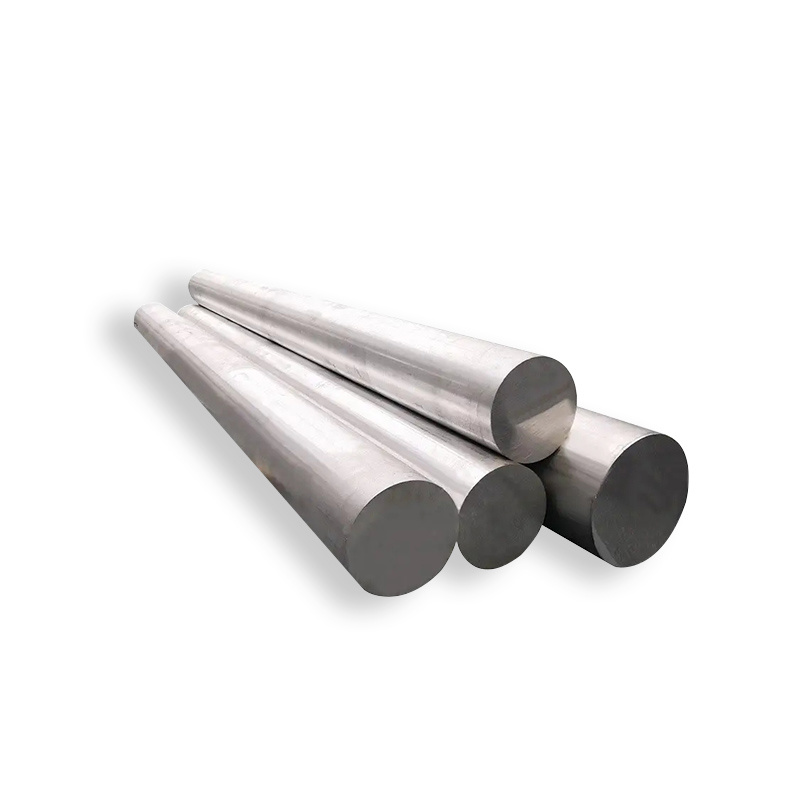
 6061 Aluminum Bar
 5A05 Aluminum Pipe
 7075 Aluminum Coil
 7075 Aluminum plate
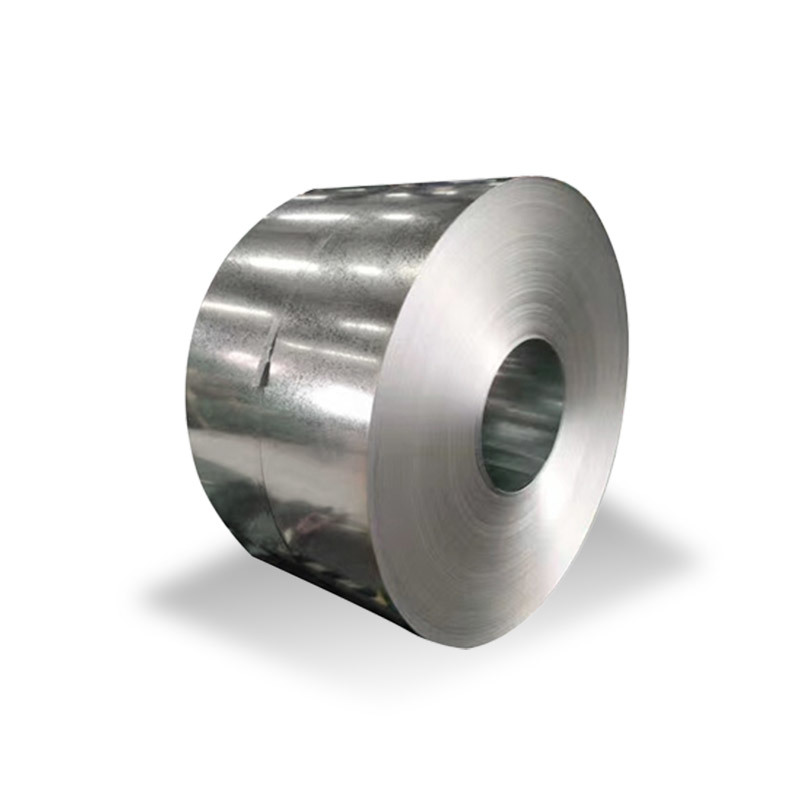
 AZ150 Galvalume Steel Coil
 DX53D/SGCD2/SGCD3 Galvanized Coil
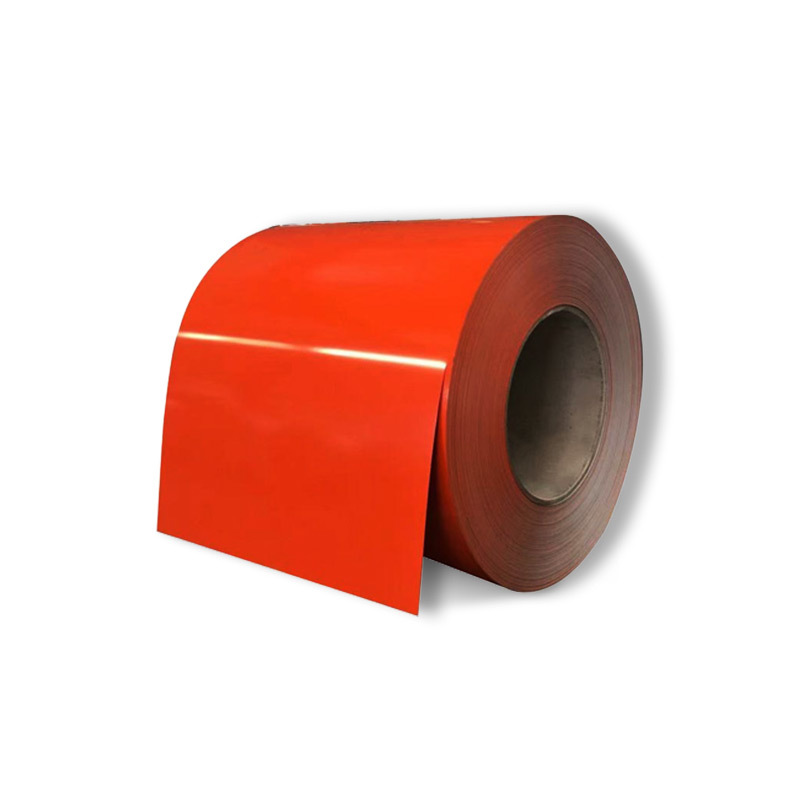
 Color Coated Galvalume Steel Coil PPGL
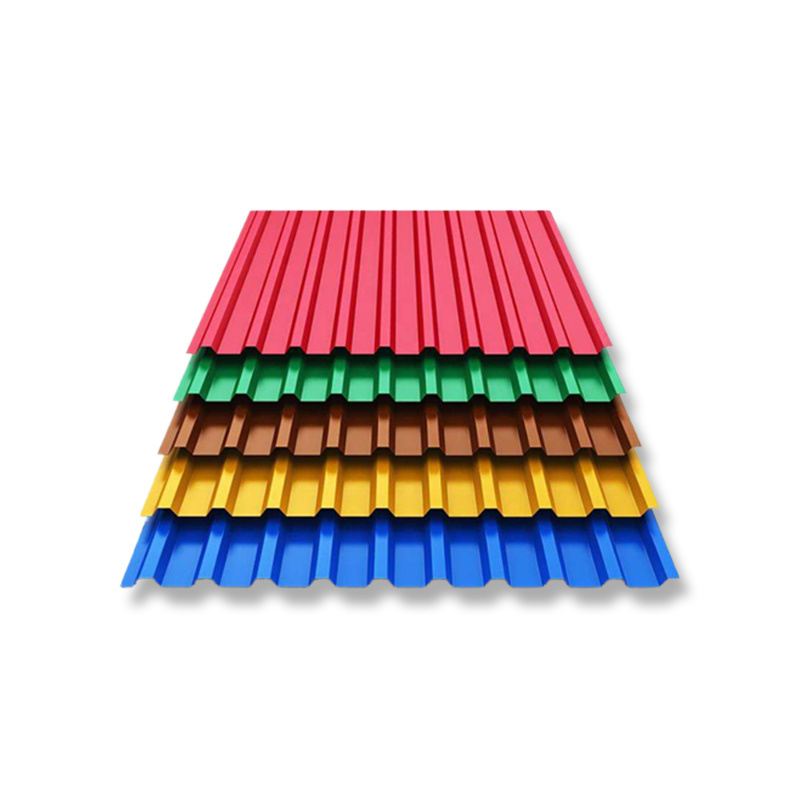
 Color Coated Galvanized Roof Sheet PPGI
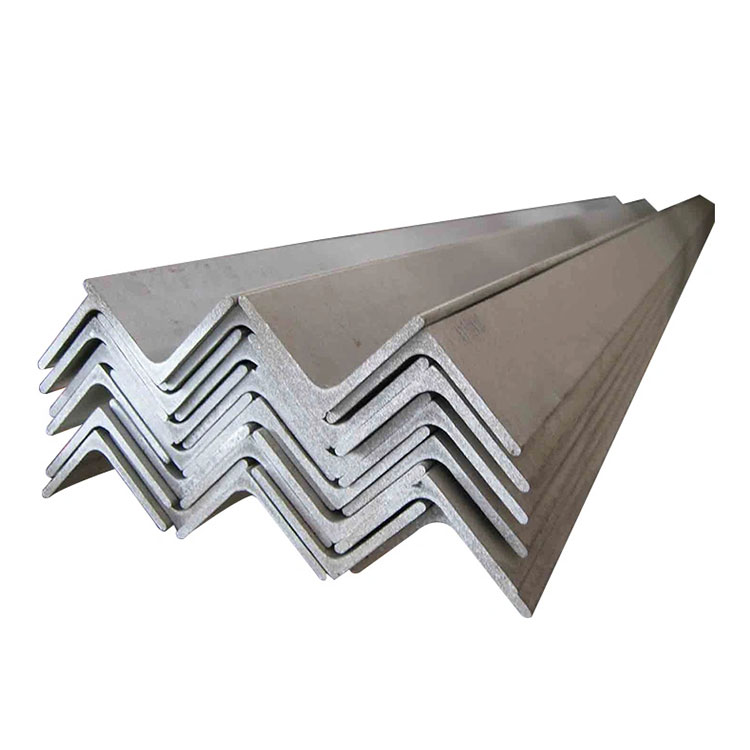
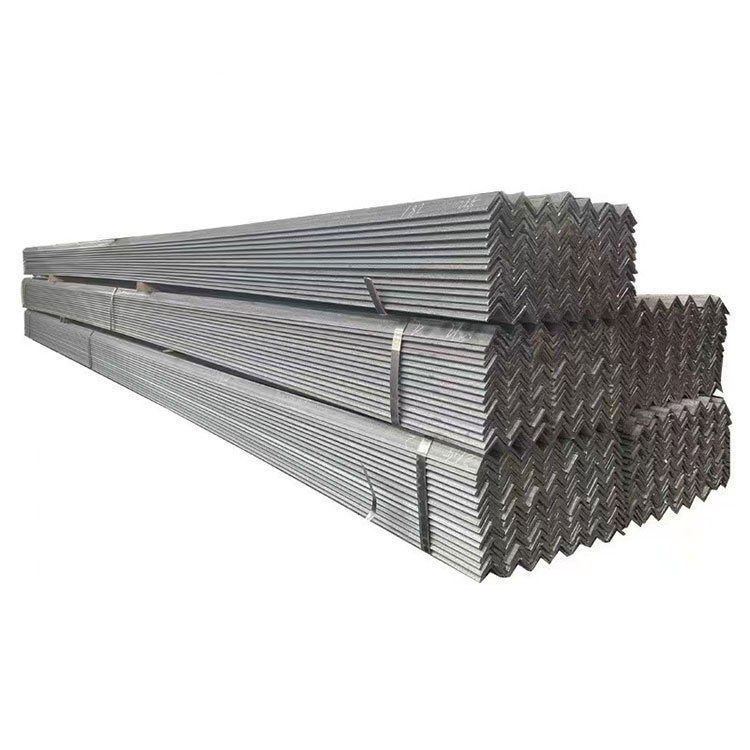
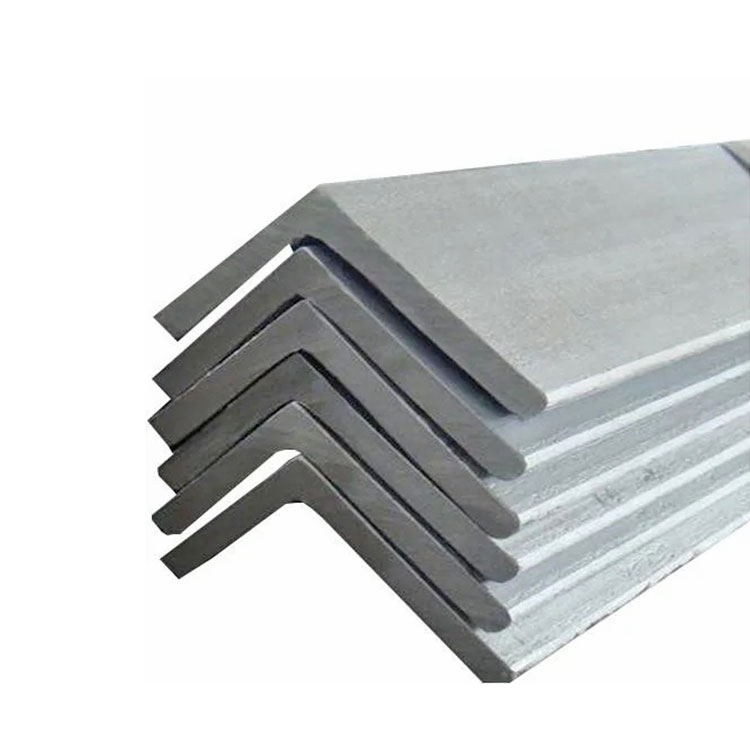
 Angle Steel
 Angle Steel
 Angle Steel
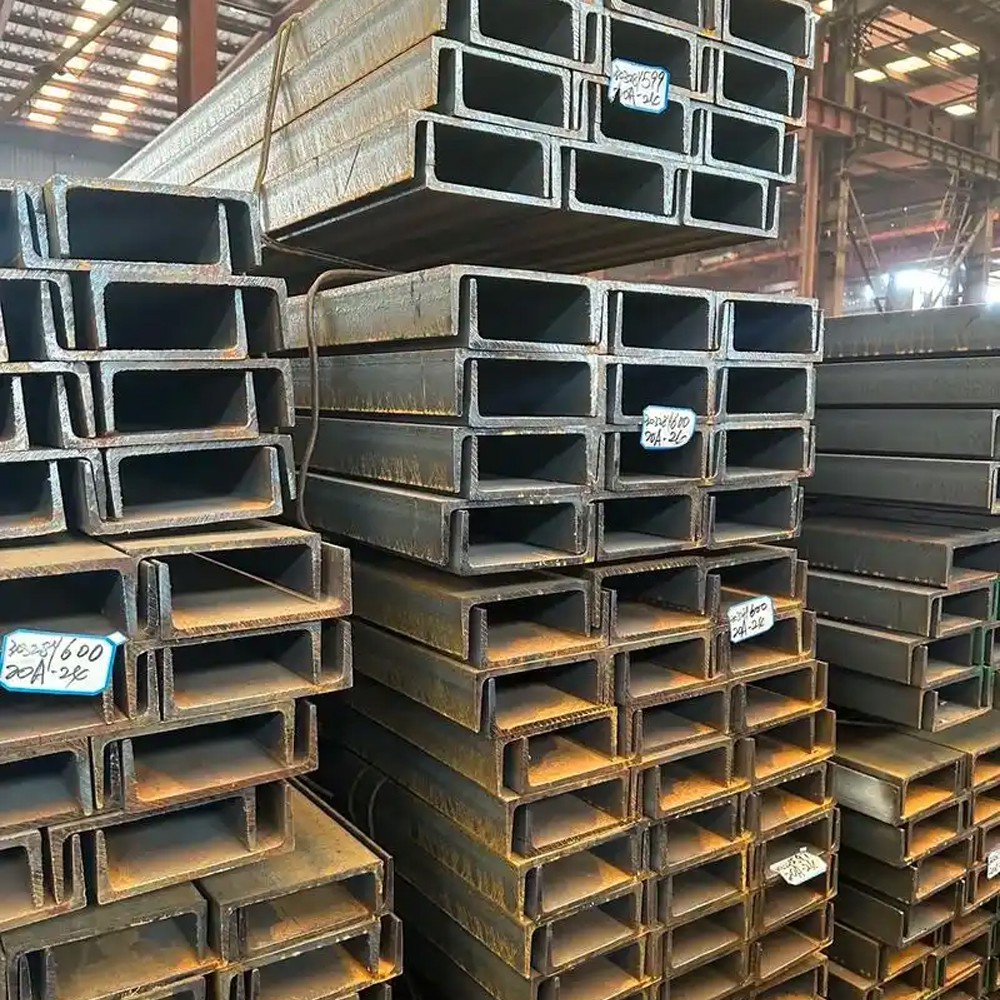
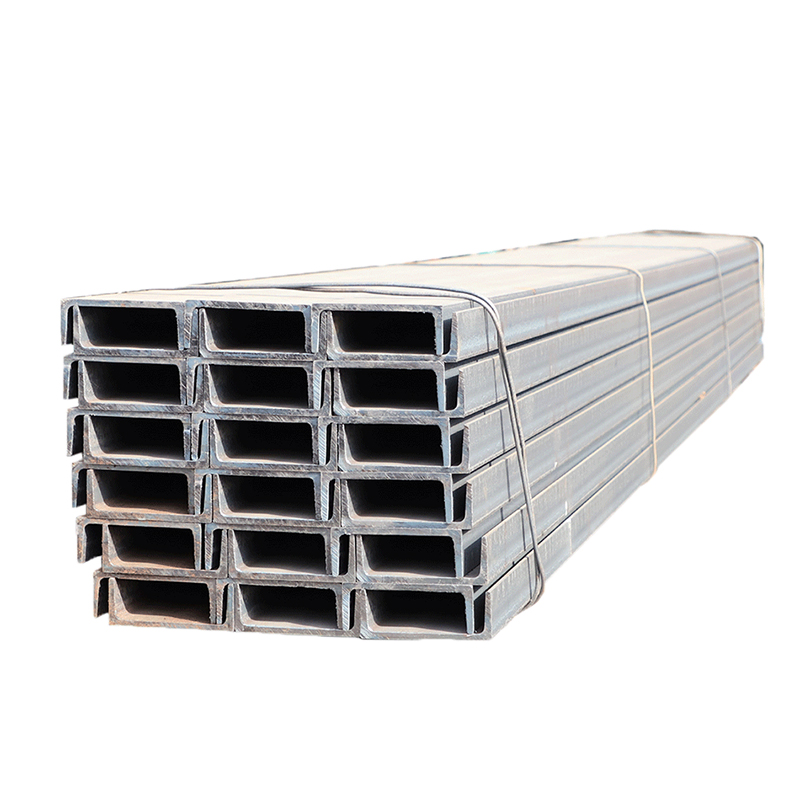
 Channel Steel
 Channel Steel
 Channel Steel
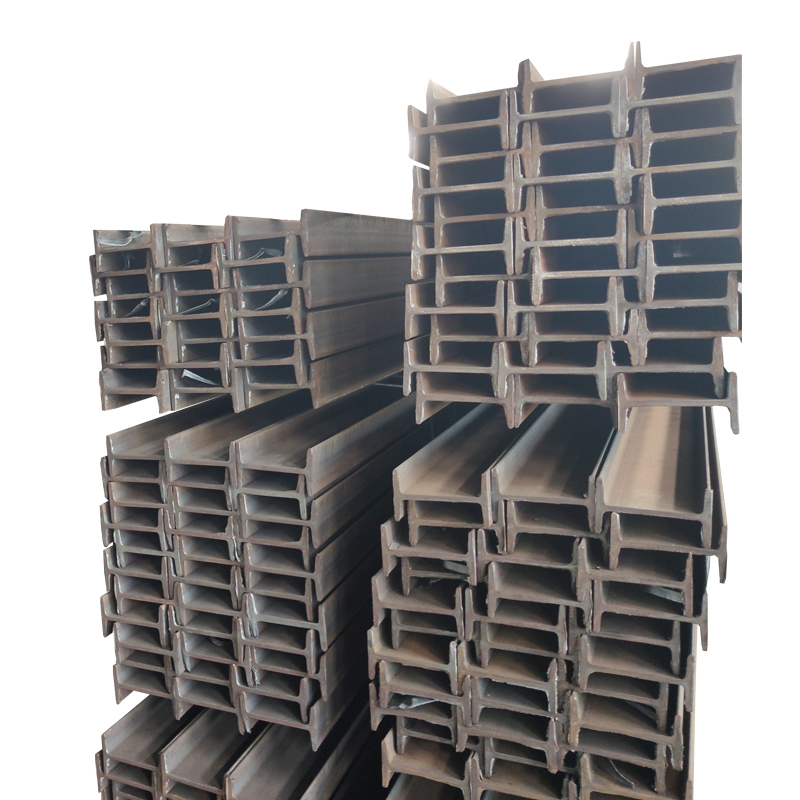
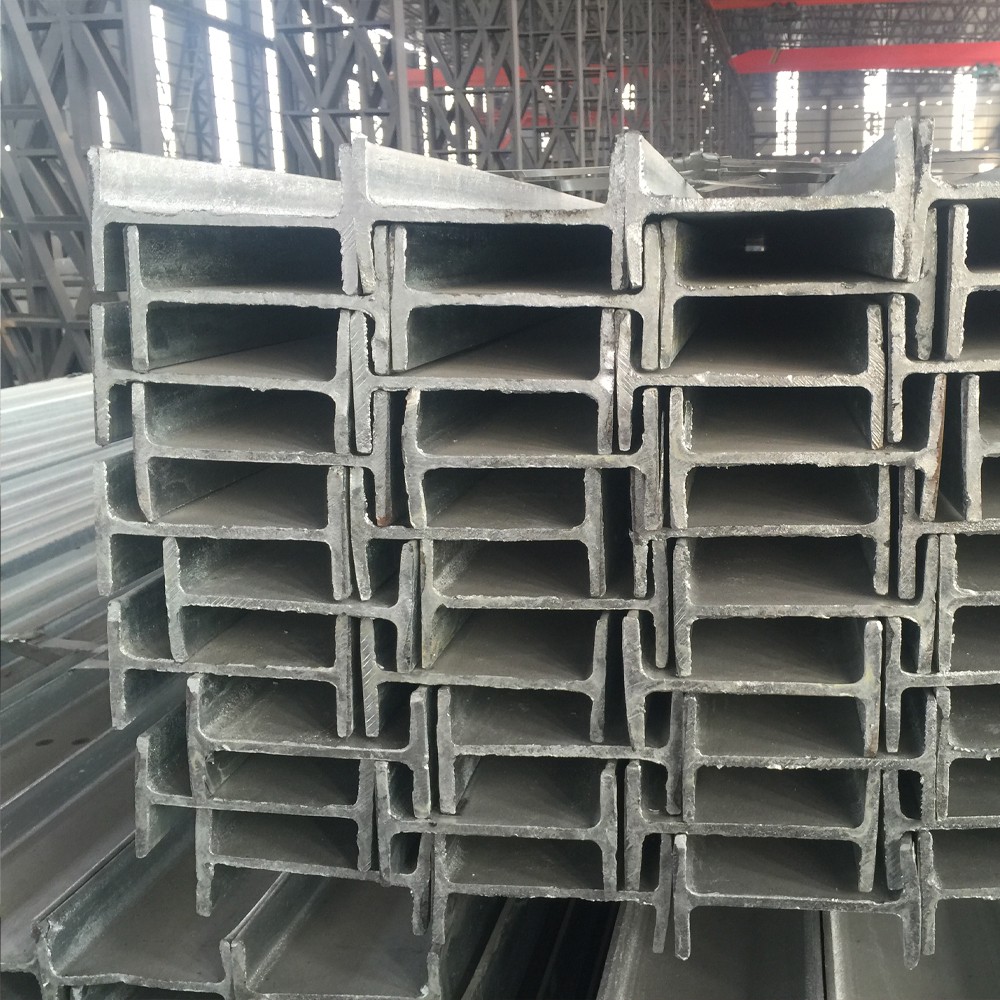
 H-beam
 H-beam
 H-beam
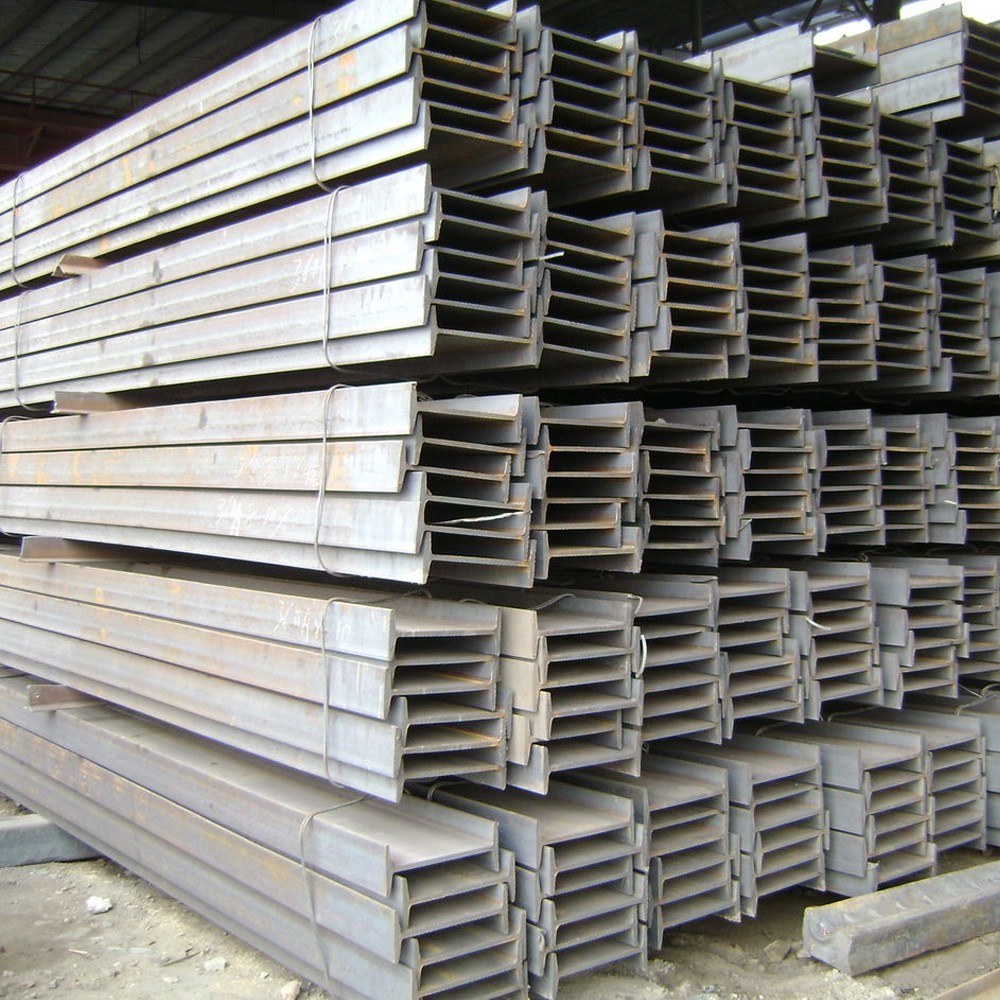
 I-beam
 I-beam
 I-beam
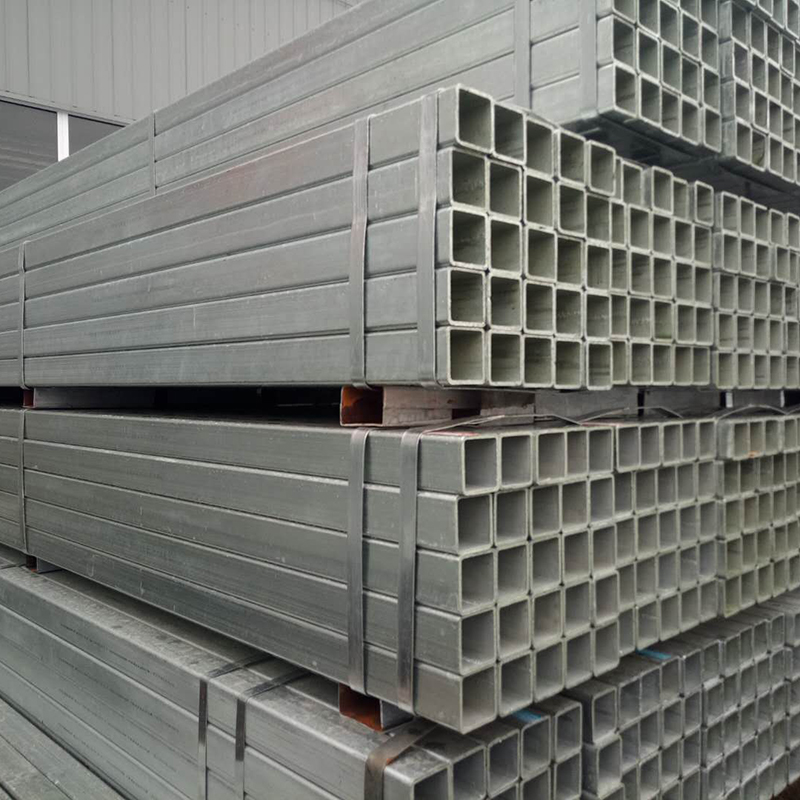
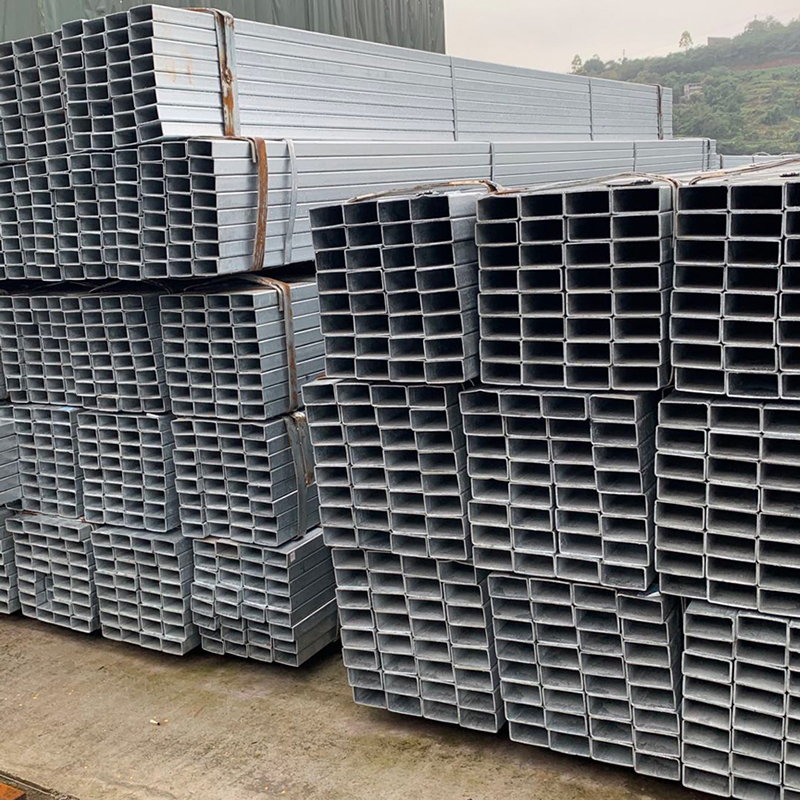
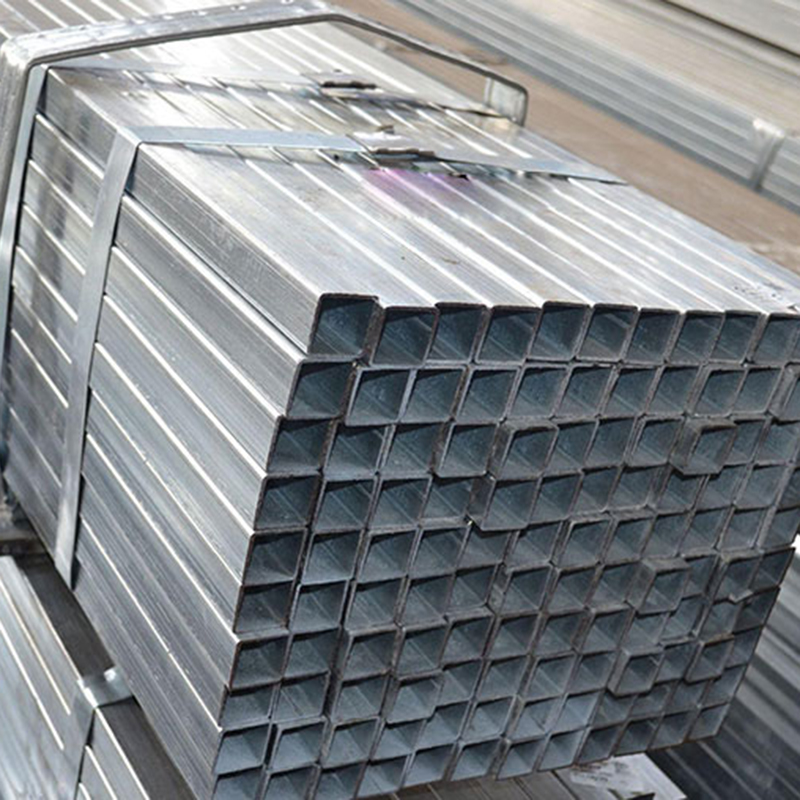
 Galvanized Square Pipe
 Galvanized Square Pipe
 Galvanized Square Pipe
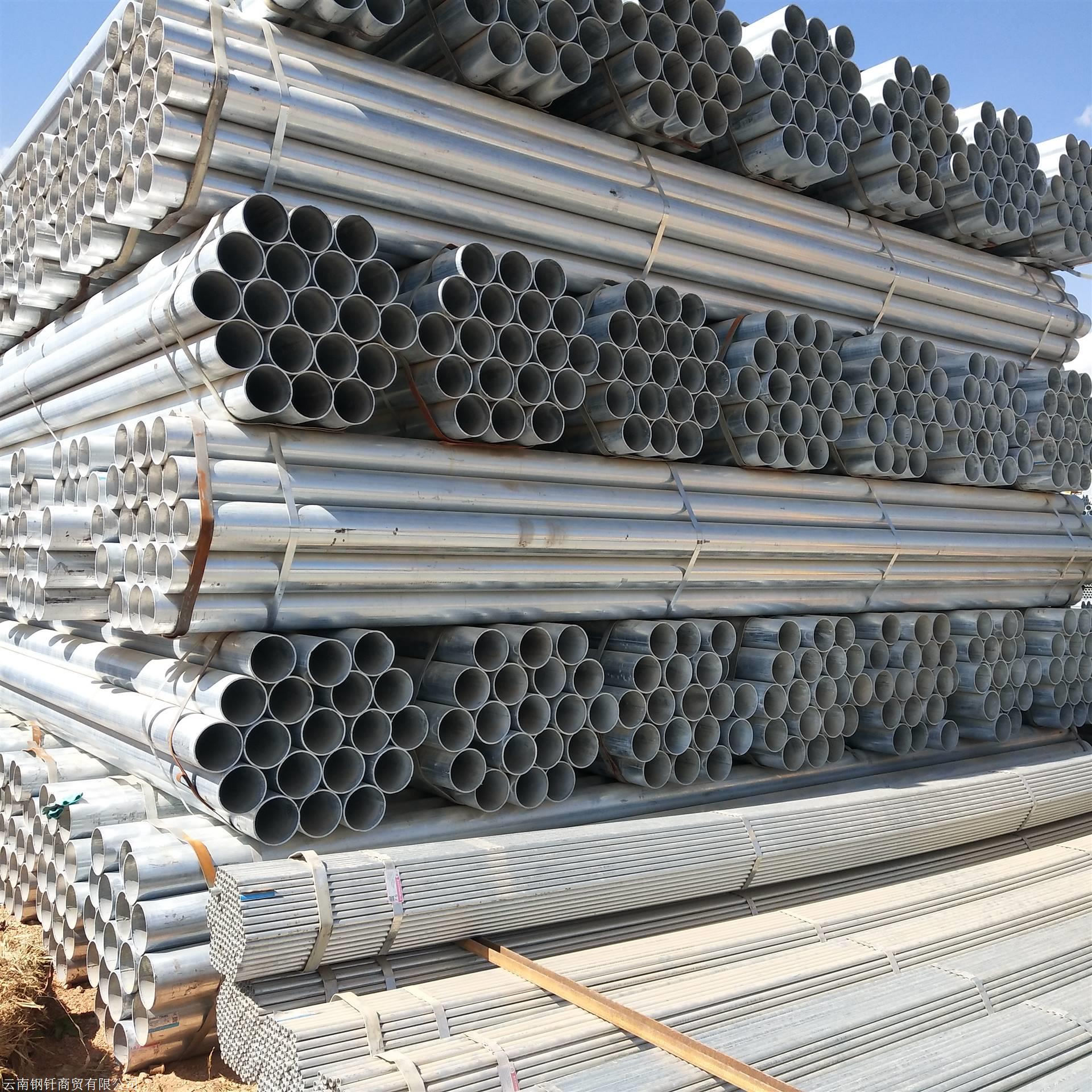
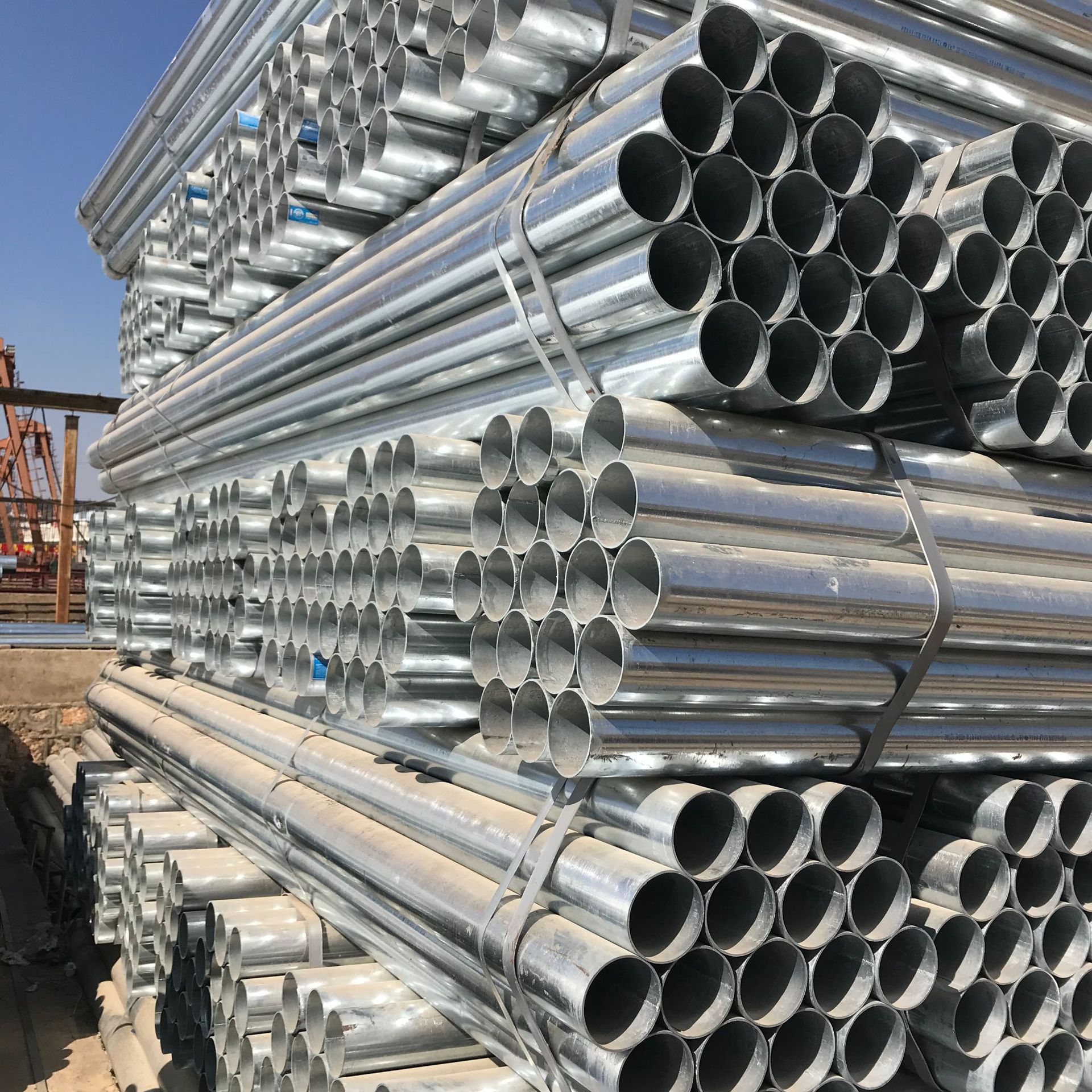
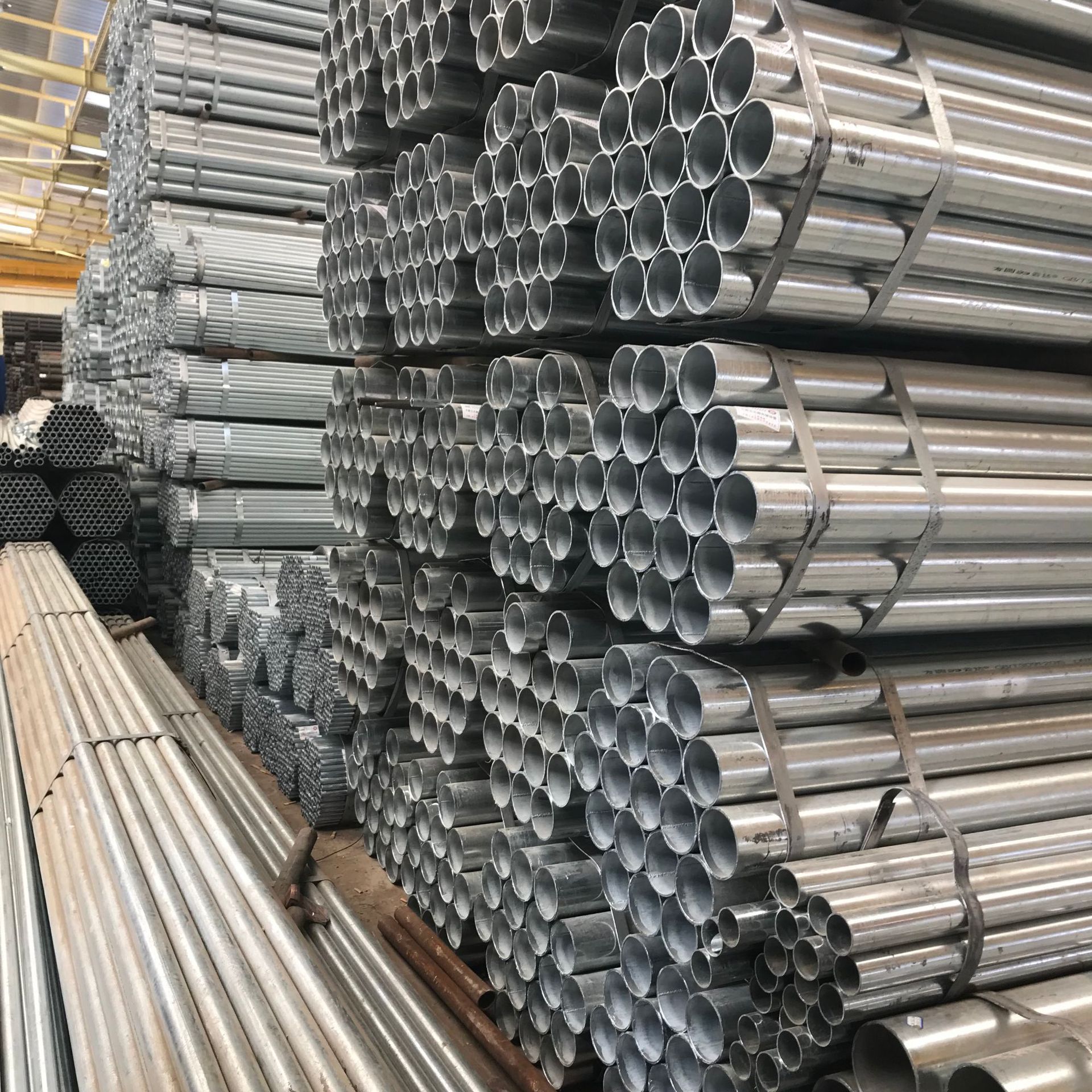
 Galvanized Pipe
 Galvanized Pipe
 Galvanized Pipe
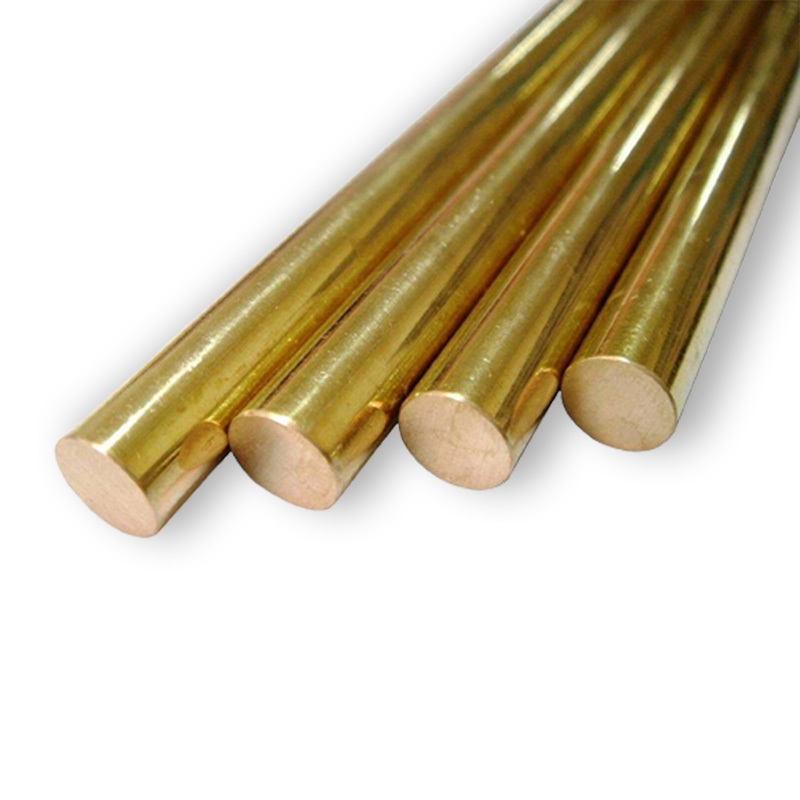
 C27000 Brass Bar
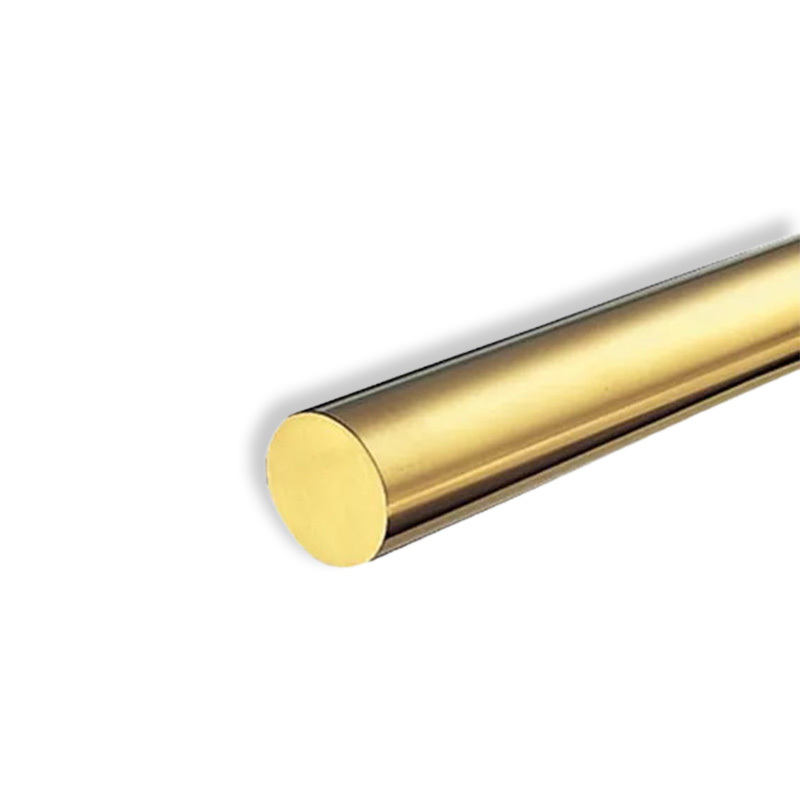
 C27200 Brass Bar
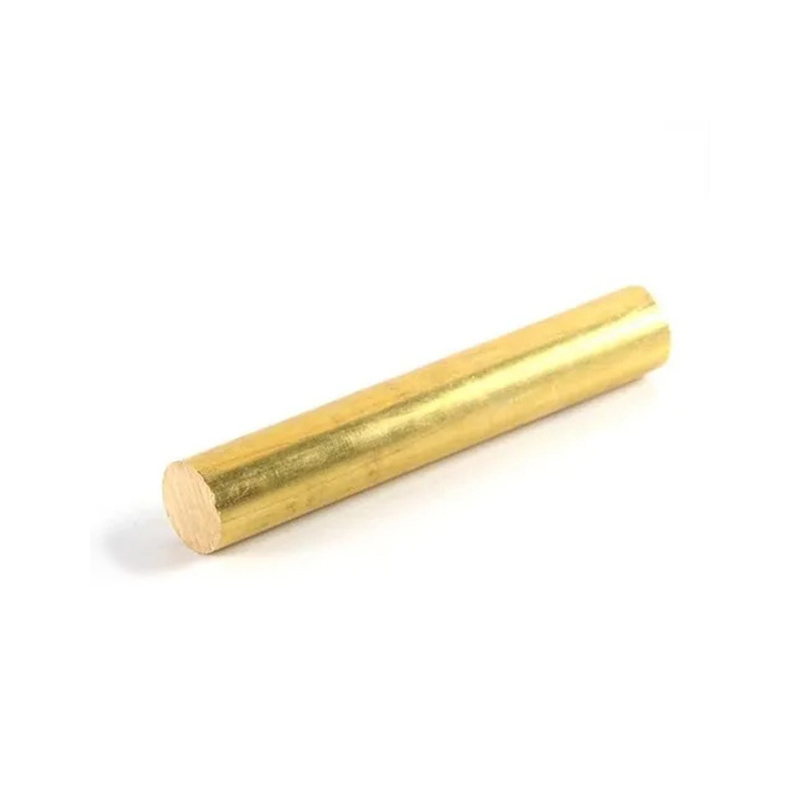
 C22000/H90 Brass Bar
 C21000/H96 Brass Bar
 C12200/TP2 Copper Bar
 C12100 Copper Bar
 C12000/TP1 Copper Bar
 C10200/TU1 Copper Bar
 C10100/TU2 Copper Bar
 C11000/T2 Copper Bar
 C28000/H60/H62 Brass Pipe
 C27400/H63 Brass Pipe
Get A Free Quote
Please give us a message